What We Know About Airlines
When people ask what do airlines look for in a pilot, they usually think about licences and flight hours first. Those matters, but airlines look at much more than paperwork. They want pilots who can operate safely, communicate clearly, make good decisions under pressure, and represent the professionalism expected in commercial aviation. A pilot is responsible not only for flying the aircraft but also for protecting passengers, working with the crew, and following procedures in a highly regulated environment.
Commercial aviation is a demanding field, and airlines want candidates who can handle both the technical and human sides of the job. This is why what do airlines look for in a pilot is not a simple question with one answer. It includes qualifications, judgment, discipline, attitude, and the ability to keep learning as responsibilities grow.
#1 Strong Qualifications and Technical Knowledge
One of the first things airlines evaluate is whether a pilot has the right training background and aeronautical knowledge. A professional pilot is expected to understand navigation, meteorology, air law, aircraft systems, operational procedures, and air traffic practices. These are not optional extras. They are part of the foundation that allows a pilot to fly safely and respond correctly when conditions change.
That is why structured training matters so much early on. For aspiring pilots who are still building their path into aviation, how to kickstart your aviation career: a step-by-step guide for aspiring pilots is a useful starting point because it shows how professional development begins long before someone reaches the airline cockpit.
This focus on qualifications is also reflected at the regulatory level. In Egypt, the Egyptian Civil Aviation Authority publishes pilot licensing regulations and examination standards, illustrating the formal, structured nature of pilot qualification.
#2 Flying Skill and Practical Ability
Another major part of what do airlines look for in a pilot is practical flying ability. Airlines want pilots who can apply their knowledge in real conditions, not just in theory. This includes takeoff and landing skills, instrument flying, flight management, radio navigation, workload management, and the ability to stay calm while handling unexpected situations.
Good flying skills are developed through repetition, discipline, and proper instruction. It also depends on situational awareness. A pilot must constantly process weather, traffic, aircraft performance, and route changes while still making safe and timely decisions. Airlines look for candidates who can stay composed and think clearly rather than becoming rushed or disorganised under pressure.
#3 Communication and Crew Coordination
Clear communication is a core part of airline performance. Pilots must communicate effectively with air traffic control, cabin crew, fellow pilots, and sometimes passengers. In normal operations, communication keeps everything efficient and organised. In abnormal or emergency situations, communication can directly affect safety outcomes.
That is one reason what do airlines look for in a pilot often includes strong communication skills as a non-negotiable requirement. Airlines do not want someone who is technically capable but difficult to understand, poor at coordination, or weak in the cockpit environment. Professional pilots are expected to use standard phraseology, listen carefully, and speak clearly when it matters most.
This is also backed by international aviation standards. ICAO states that pilots, air traffic controllers, and aeronautical station operators involved in international operations are required to attain the ability to speak and understand English to at least Level 4 on ICAO’s language proficiency rating scale.
# 4 Is Communication That Important to Airlines?
Airlines care about communication because poor communication creates risk. A pilot may know the correct procedure, but if instructions are misunderstood or poorly delivered, safety can still be compromised. This is especially important in multi-crew operations where teamwork and coordination are essential every single flight.
Aviation Standards and Airline Expectations
Airline hiring standards do not exist in isolation. They are shaped by wider aviation regulations and global safety frameworks. For example, the International Civil Aviation Organisation sets language proficiency standards for pilots involved in international operations, which reinforces why communication, clarity, and professionalism matter so much in commercial flying. You can review those standards through the ICAO language proficiency framework, which adds useful context to
#5 Pilot’s Soft-Skills (Communication & Attitude)
Technical knowledge and flying skills are not enough on their own. Airlines also want discipline. Pilots must follow procedures accurately, respect standard operating practices, and manage fatigue, workload, and responsibility with maturity. Commercial flying is not a place for ego, laziness, or careless shortcuts.
This is where attitude becomes part of what do airlines look for in a pilot. Airlines want people who are confident but not arrogant, calm but not passive, and able to accept feedback without becoming defensive. The strongest pilots are often the ones who remain professional even when conditions become stressful or frustrating.
Flexibility also matters. Flights do not always go exactly as planned. Weather changes, operational disruptions happen, and delays create pressure across the whole system. Airlines value pilots who can adapt without losing composure or standards.
#6 Career Progression and Airline Readiness
As pilots move closer to airline-level roles, the standards become higher. Airlines expect a stronger understanding of advanced operations, better judgment, and the ability to perform consistently in structured environments. This is why progression through recognised training stages matters.
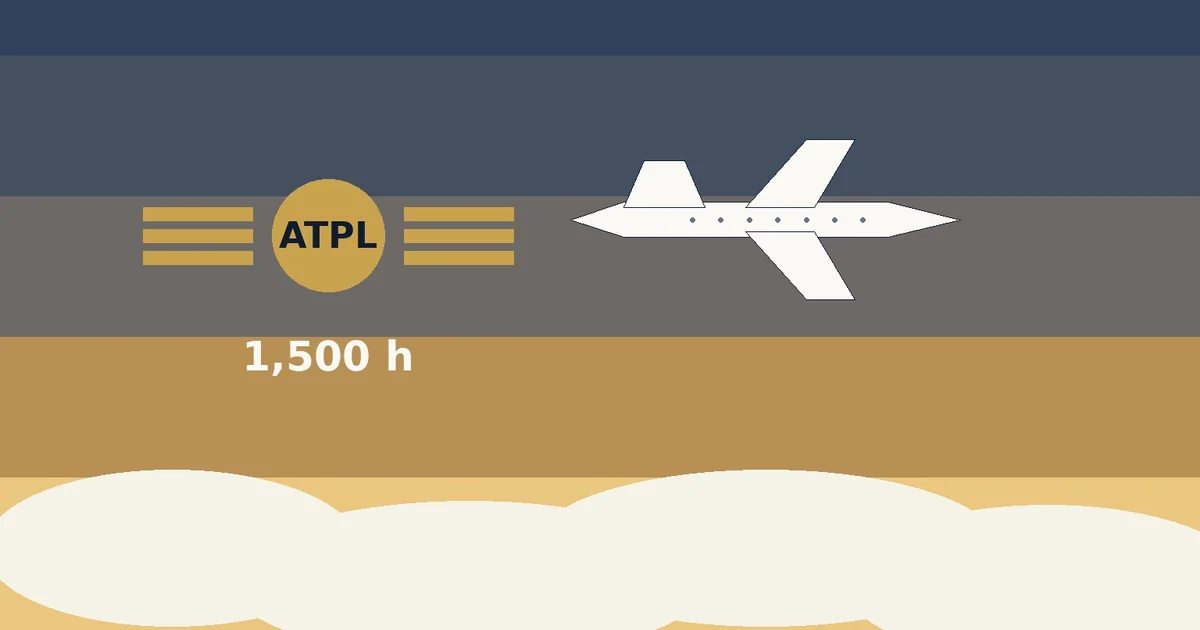
For many aspiring commercial pilots, one of the most important steps is building toward an Airline Transport Pilot License (ATPL). That path supports the deeper theoretical knowledge and operational readiness that airlines expect when hiring or developing future flight crew.
It is also worth recognising that aviation offers opportunities for people from different backgrounds. For example, the benefits of a pilot career for women highlight how the industry continues to create professional pathways for more people entering the field. From an airline perspective, the core standard stays the same: competence, professionalism, and safety come first.
#7 What Do Airlines Look for in a Pilot Beyond Hours?
Flight hours matter, but airlines do not judge pilots by hours alone. They look at the full picture. They want to know whether a pilot can learn, adapt, communicate, operate within a team, and maintain standards over time. A pilot with lower hours but stronger discipline and judgement may be more attractive than someone with more hours but weaker professionalism.
This is why the question what do airlines look for in a pilot should be understood more broadly. Airlines are hiring professionals, not just filling seats. They want someone who can grow within the company, protect the operation, and contribute to a safe flight environment every time.
Conclusion
In the end, what airlines look for in a pilot comes down to much more than a licence. Airlines want a combination of technical knowledge, flight skill, communication, discipline, sound judgement, and the right attitude. These qualities work together to create the kind of pilot who can perform safely and professionally in a demanding industry.
SkyTeam Aviation Academy supports aspiring pilots who want to build that foundation properly. With the right training, the right mindset, and a commitment to improvement, pilots can prepare themselves for the standards airlines truly expect.