Airline transport pilot license (ATPL)

Airline transport pilot license aTPL

Airline transport pilot license (ATPL)

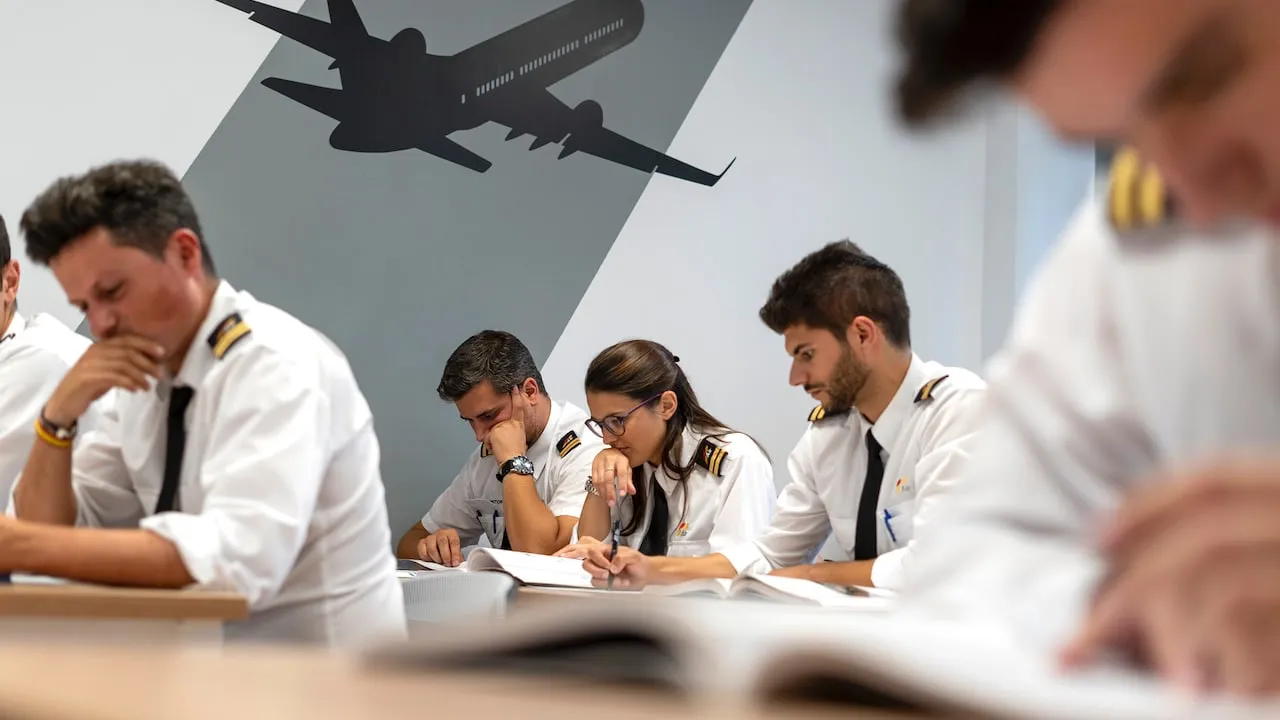
The Airline Transport Pilot License (ATPL) is the highest level of pilot certification, required for pilots who wish to operate as captains of commercial aircraft. It is a key milestone in a pilot’s career, ensuring that they possess the advanced knowledge and experience needed to manage and operate complex aircraft in a commercial environment. The ATPL qualification is governed by international aviation authorities such as the European Union Aviation Safety Agency (AESA) and the Federal Aviation Administration (FAA). At Global Training Aviation, we focus on the next steps in a pilot’s career after obtaining their Commercial Pilot License (CPL). Our training programs are tailored for pilots who already hold a CPL and are looking to further their qualifications. We help guide pilots through obtaining a type rating and other essential training required to progress toward the ATPL.

Requirements:

  1. A valid Class 1 Medical Certificate is required.

  2. Pilots must already possess a Commercial Pilot License (CPL), a valid type rating and General Radio Licence.

  3. Candidates must pass a series of theoretical exams covering the above-mentioned subjects.

  4. Pilots must accumulate at least 1.500 flight hours, including specific hours as Pilot in Command (PIC) and cross-country, night, and instrument flight time.

  5. Practical Skills Test: Once all requirements are met, pilots must complete a skills test with an authorized examiner.

Investing in Your Future with the CPL Course

Duration

24 Months

Frequently Asked Questions

How many flight hours does a student graduate with?

Students graduate with a total of 200 flight hours as part of the training programme.

During the training pathway, students obtain a Private Pilot Licence (PPL), Commercial Pilot Licence (CPL), and Frozen ATPL.

Students also receive important ratings, including Instrument Rating, Night Rating, and Multi-Engine Rating.

Ratings are additional qualifications gained alongside the main licence. They allow the student to operate aircraft in different flight conditions and training environments.

Frozen ATPL means the student has completed the theoretical requirements for an Airline Transport Pilot Licence and passed the required exams, while the licence becomes fully active after completing the required flight hours.

Pilots typically need 1,500 flight hours to meet the requirements for activating a full ATPL (Airline Transport Pilot License).

After graduation, students can build flight hours by working in the industry. One possible pathway is working as a flight instructor, provided the required conditions are met.

Students can build flight hours within the same training environment where they studied, or through later work and training opportunities depending on their career path.

Training is conducted on approved training aircraft designed for both basic and advanced stages of the flight programme.

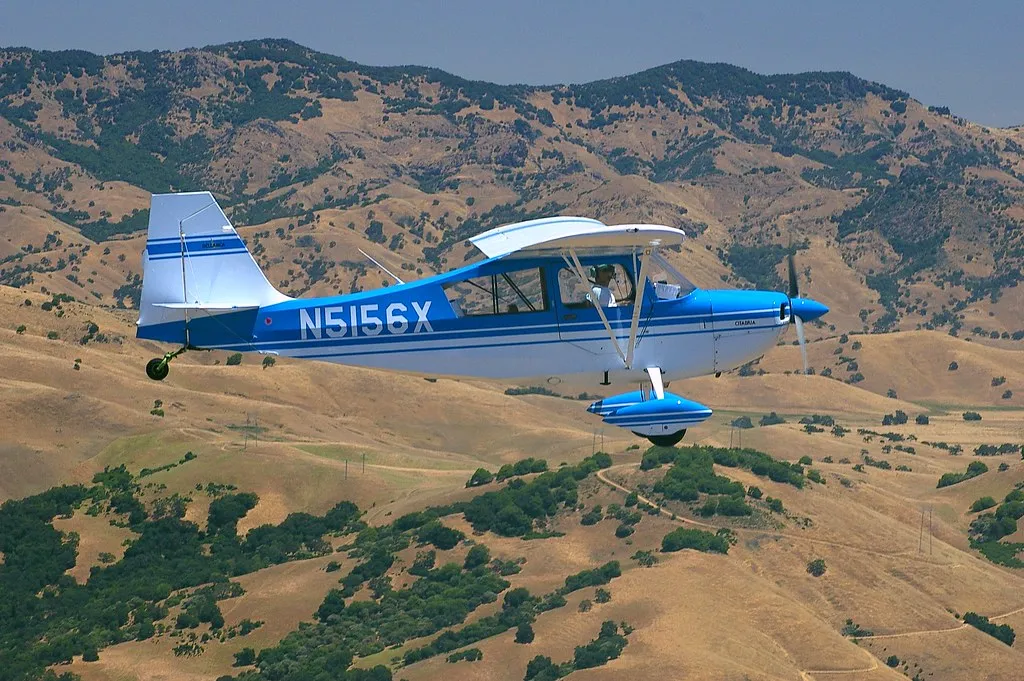
Examples of training aircraft include Cessna 172, Piper PA30, and Piper PA44.

The licences are issued under the aviation authority governing the training in South Africa, and the required conversion or validation process can be completed depending on the country where the student plans to work.

Yes, but students must complete the required licence conversion and equivalency procedures with the relevant authorities in Egypt.

Licence equivalency is the process of converting or validating a licence issued in South Africa so it matches the civil aviation requirements of the country where the student wants to work.