Type Rating (A320 – B737 NG)

Type Rating A320 B737 NG

Type Rating (A320 – B737 NG)

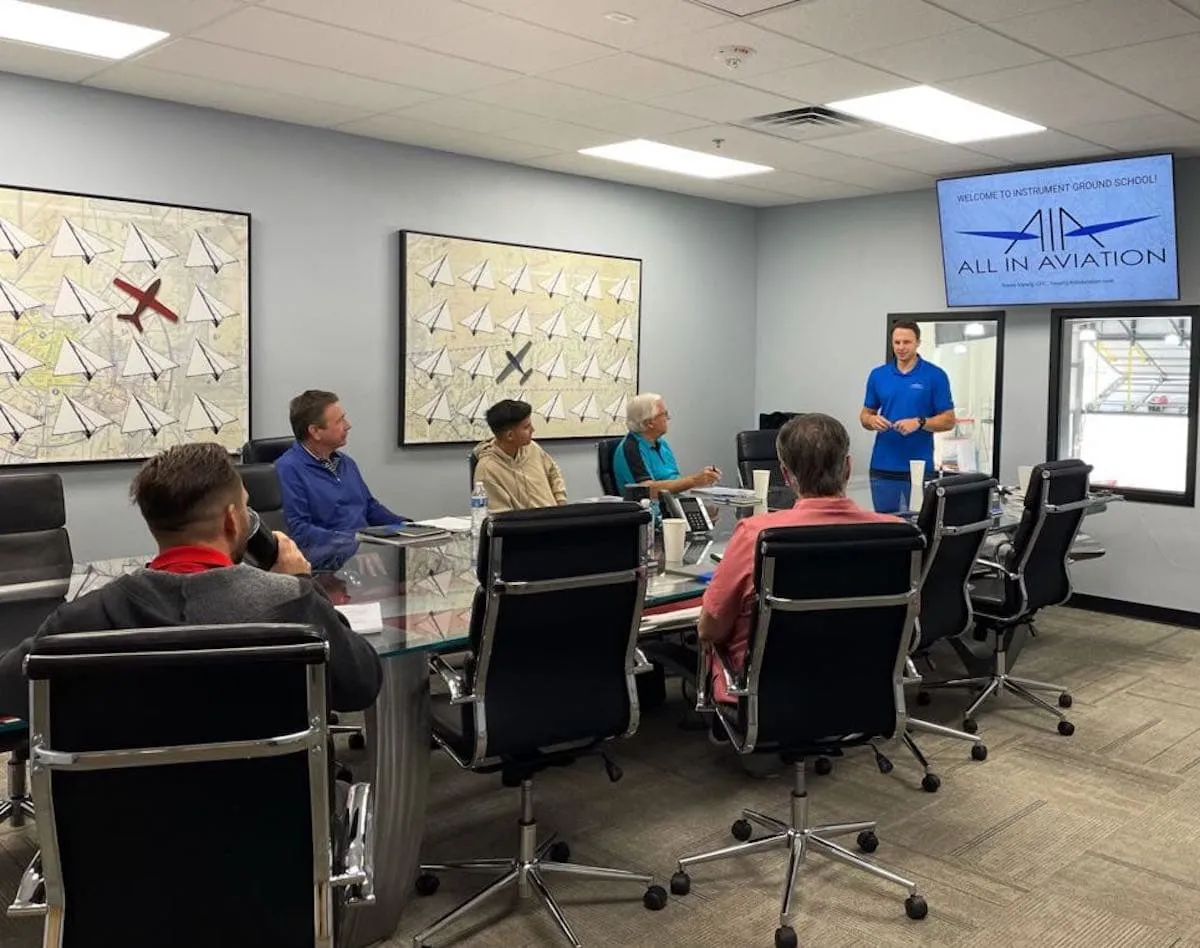
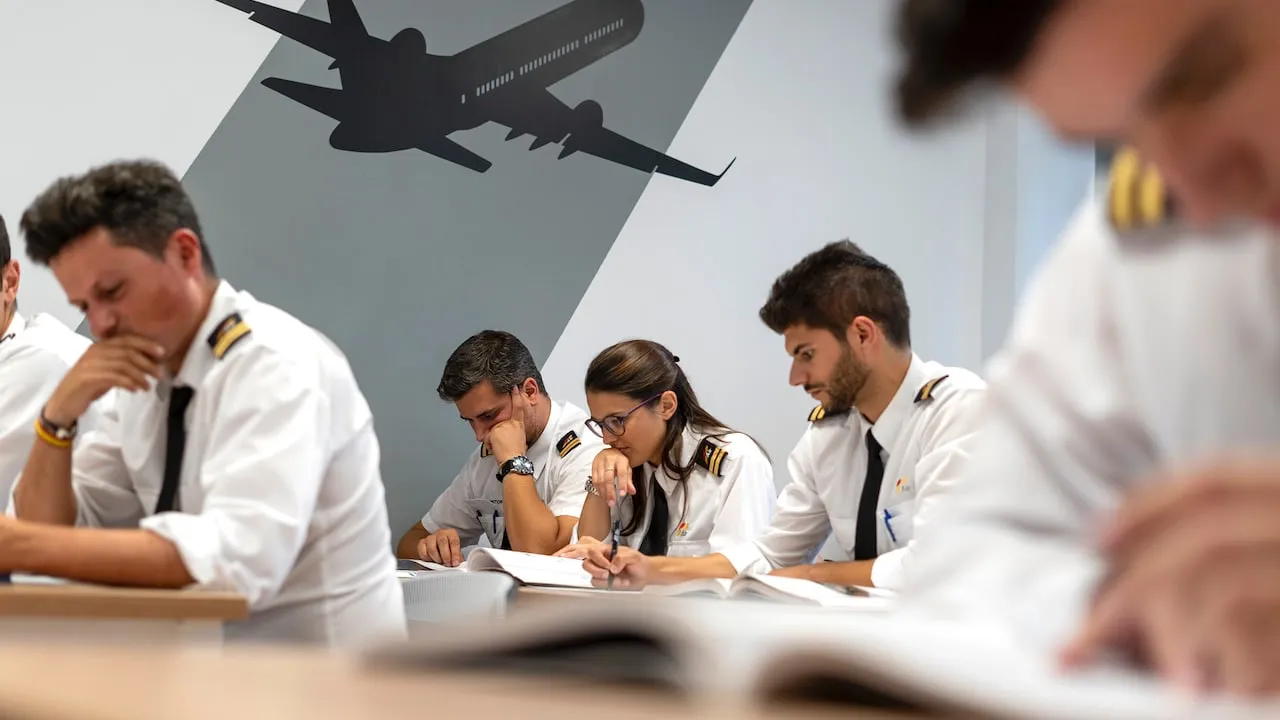
In aviation, it is necessary to have a Type Rating certificate. It demonstrates you knowledge of an aircraft beyond the licence and class training. Therefore, Sky team aviation has developed a Type Rating Training course that has been created with the student in mind. This certification shows employers the depth of your knowledge and superior skill in an aircraft that you have specialised. Sky team aviation’s Type Rating training implements a variety of training into the course.
You will study CBT, JOC, CPT, FMC familiarisation and LOFT all in our Boeing 737 NG fixed base simulator.

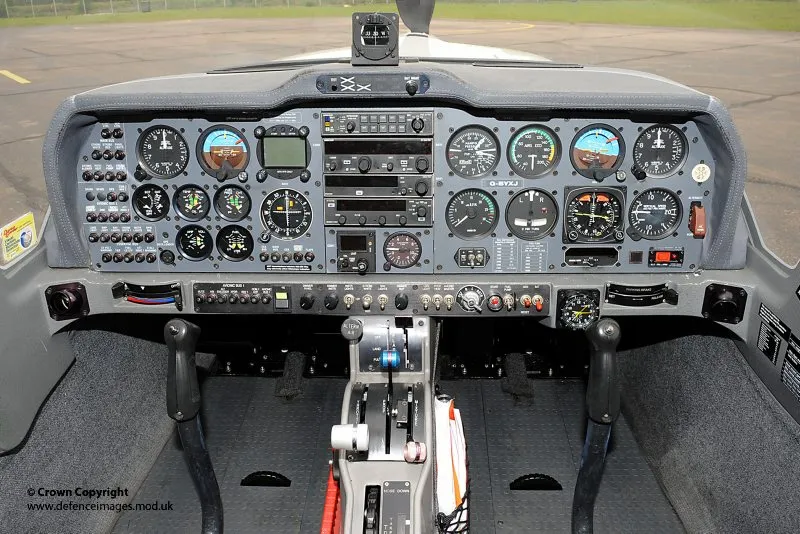
A Type Rating goes beyond the standard pilot license and class training, as it certifies your ability to operate a particular aircraft model. For example, if you hold a Private Pilot License (PPL) or Commercial Pilot License (CPL), you cannot simply fly a Boeing 737 or an Airbus A320 unless you obtain a Type Rating for that specific aircraft.

All Programs

Program Requirements

Requirements:

  1. hold a valid Commercial Pilot License (CPL) or Airline Transport Pilot License (ATPL).

  2. CBT (Computer-Based Training): Interactive learning modules to familiarize you with the aircraft’s systems and controls.

  3. CPT (Cockpit Procedures Training): Learning the correct procedures for normal and emergency situations in the cockpit.

  4. JOC (Jet Orientation Course): Preparing pilots for the transition from piston or turboprop aircraft to jet aircraft operations.

  5. LOFT (Line-Oriented Flight Training): Realistic flight scenarios in our Boeing 737 NG fixed-base simulator to simulate real-world conditions.

  6. FMC Familiarisation: Training on the Flight Management Computer to ensure proper navigation and operational planning.

Investing in Your Future with the CPL Course

Duration

24 Months

Frequently Asked Questions

How many flight hours does a student graduate with?

Students graduate with a total of 200 flight hours as part of the training programme.

During the training pathway, students obtain a Private Pilot Licence (PPL), Commercial Pilot Licence (CPL), and Frozen ATPL.

Students also receive important ratings, including Instrument Rating, Night Rating, and Multi-Engine Rating.

Ratings are additional qualifications gained alongside the main licence. They allow the student to operate aircraft in different flight conditions and training environments.

Frozen ATPL means the student has completed the theoretical requirements for an Airline Transport Pilot Licence and passed the required exams, while the licence becomes fully active after completing the required flight hours.

Pilots typically need 1,500 flight hours to meet the requirements for activating a full ATPL (Airline Transport Pilot License).

After graduation, students can build flight hours by working in the industry. One possible pathway is working as a flight instructor, provided the required conditions are met.

Students can build flight hours within the same training environment where they studied, or through later work and training opportunities depending on their career path.

Training is conducted on approved training aircraft designed for both basic and advanced stages of the flight programme.

Examples of training aircraft include Cessna 172, Piper PA30, and Piper PA44.

The licences are issued under the aviation authority governing the training in South Africa, and the required conversion or validation process can be completed depending on the country where the student plans to work.

Yes, but students must complete the required licence conversion and equivalency procedures with the relevant authorities in Egypt.

Licence equivalency is the process of converting or validating a licence issued in South Africa so it matches the civil aviation requirements of the country where the student wants to work.