
SkyTeam Aviation FAQs
Find answers to the most common questions about pilot training, admission requirements, aviation courses, fees, accommodation, licenses, travel, and career opportunities with SkyTeam Aviation.
About SkyTeam Aviation FAQs

Where is the academy located?
SkyTeam Aviation’s administrative office in Egypt is located at 108 Hassan El Maamoun, Nasr City, Al Mona Tower.
Where does the training take place?
Academic study and flight training take place in Johannesburg, South Africa, in a professional training environment designed for aviation education.
Why is the training not in Egypt?
SkyTeam Aviation is a private academy, and its core flight training programme is delivered in South Africa according to the approved training system there.
When was the academy established?
Sky Team Aviation was founded in Egypt in 2017. Our Egypt office helps Egyptian and Arab students apply more easily and prepare for travel and study.
What makes SkyTeam Aviation different?
SkyTeam Aviation supports students from the application stage through travel and settling in South Africa. The academy also helps with paperwork, student follow-up, and provides a clear pathway for building flight hours after graduation.
Why South Africa instead of another country?
South Africa is a well-known destination for aviation training because of its suitable flying weather for most of the year, diverse flight environments, strong practical training opportunities, and relatively affordable living costs compared with many other countries.
Admission FAQs

Do I need to attend university before studying aviation?
No. Students can apply for aviation training directly after high school, and applicants who already hold another degree can also apply.
At what age can I apply in aviation?
Applications generally start at age 17, and applying at a younger age is often better for students planning a long-term career in the airline industry.
Is there a maximum age to apply?
It is still possible to study aviation after the age of 30. However, students should understand that airline hiring opportunities may gradually become more limited with age compared with younger applicants.
Which certificates do you accept?
Students can apply with different educational backgrounds, including general secondary education, Al-Azhar secondary education, IGCSE, American Diploma, and university degrees.
Which IGCSE subjects are required?
For IGCSE applicants, 5 O Level subjects are usually required, including English and Mathematics, plus 3 additional subjects.
Is there a minimum grade requirement?
The key requirement is passing and meeting the basic admission criteria, while each student’s academic profile is reviewed individually.
Which documents are required during application?
At the initial application stage, students usually need a valid passport, national ID, and official birth certificate.
What could prevent me from joining aviation training?
This depends on the medical assessment. Some conditions that may affect eligibility include disabilities that prevent required flight duties, certain impactful chronic illnesses, or colour vision deficiency, depending on the medical evaluation.
What English level is required?
Students need a suitable English level for studying and communication. If a student’s level is below the required standard, language assessment and support may be provided before continuing the programme.
Training Programme & Licenses FAQs

How many flight hours does a student graduate with?
Students graduate with a total of 200 flight hours as part of the training programme.
Which licenses does the student receive?
During the training pathway, students obtain a Private Pilot Licence (PPL), Commercial Pilot Licence (CPL), and Frozen ATPL.
Which ratings does the student receive?
Students also receive important ratings, including Instrument Rating, Night Rating, and Multi-Engine Rating.
What do these ratings mean?
Ratings are additional qualifications gained alongside the main licence. They allow the student to operate aircraft in different flight conditions and training environments.
What does Frozen ATPL mean?
Frozen ATPL means the student has completed the theoretical requirements for an Airline Transport Pilot Licence and passed the required exams, while the licence becomes fully active after completing the required flight hours.
How many flight hours are needed for a full ATPL?
Pilots typically need 1,500 flight hours to meet the requirements for activating a full ATPL (Airline Transport Pilot License).
I graduated with 200 hours. How do I reach 1,500 hours?
After graduation, students can build flight hours by working in the industry. One possible pathway is working as a flight instructor, provided the required conditions are met.
Where can I build those flight hours?
Students can build flight hours within the same training environment where they studied, or through later work and training opportunities depending on their career path.
Will I train on small aircraft or large aircraft?
Training is conducted on approved training aircraft designed for both basic and advanced stages of the flight programme.
Can you give examples of the training aircraft?
Examples of training aircraft include Cessna 172, Piper PA30, and Piper PA44.
Are the licences recognised?
The licences are issued under the aviation authority governing the training in South Africa, and the required conversion or validation process can be completed depending on the country where the student plans to work.
Can I work in Egypt & other countries with these licences?
Yes, but students must complete the required licence conversion and equivalency procedures with the relevant authorities in Egypt.
What is licence equivalency?
Licence equivalency is the process of converting or validating a licence issued in South Africa so it matches the civil aviation requirements of the country where the student wants to work.
Fees & Payment FAQs
What does the registration fee include?
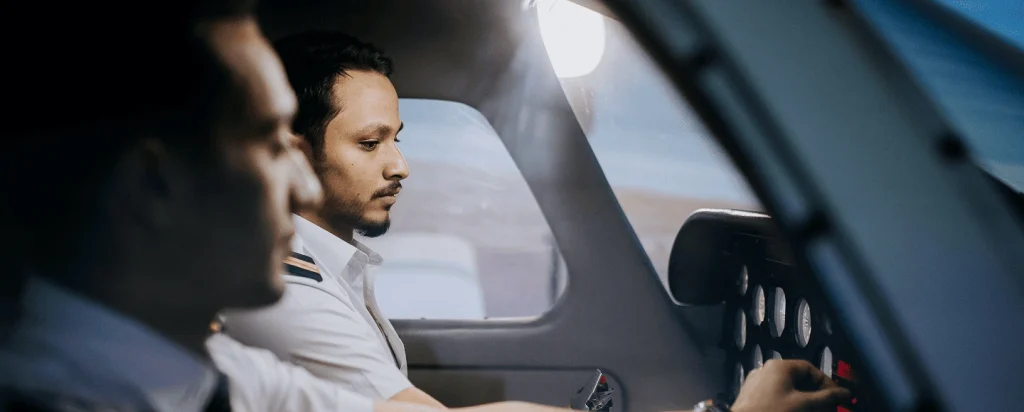
The registration fee includes several services and procedures, such as the medical examination, English level assessment, visa processing fees, military postponement procedures, one-year medical insurance, student uniform, and an introductory event for students and parents.
How much does the programme cost?
The current programme cost is USD 46,000, in addition to a USD 2,000 registration fee.
Is payment made in US dollars or Egyptian pounds?
Tuition fees are paid in US dollars.
What if I do not have US dollars?
A supporting document can be provided to show that the programme is paid in US dollars, which may help with the relevant banking procedures for obtaining foreign currency, subject to current regulations.
What is the instalment plan?
Part of the cost is paid before travel in stages tied to the steps of the process: a payment after the medical exam, a payment when attending the South African embassy, and a payment after the embassy result. The remaining balance is then paid in instalments over one year from the date of travel. The amount of each payment is set out in the cost statement provided by the admissions team.
What happens if I pay the registration fee and decide not to continue?
If the student decides not to continue, the medical examination cost is deducted, and the remaining amount is refunded according to the applicable refund policy.
Travel, Visa & Student Support FAQs

When does the study programme start?
There is no single fixed start date. Travel and study begin once the required documents are completed, the visa is issued, and the student group is ready.
How long does the paperwork take?
The timeline varies by stage. Medical results usually appear within two days, language assessment depends on the student’s level, and South African embassy procedures may take between two and three months.
How do I complete my paperwork in Egypt?
Students receive support and guidance through the required procedures to help them complete their paperwork more easily.
Can my family travel with me?
Yes, family members can travel with the student if they wish.
Does the academy cover their travel costs?
No, family or companion travel is at their own expense.
Do you stay in contact with students after they travel?
Yes. Students are followed up continuously, and support is provided if any issue arises during their stay and study period.
What could cause a visa refusal?
One of the main possible reasons for refusal is weak English communication or incomplete readiness for the interview and required documentation.
What happens if my visa is refused?
The reason for refusal is reviewed first, and the required points, such as language or interview readiness, are improved before reapplying when the student is better prepared.
What is the embassy interview like?
The embassy interview is usually simple and routine. It mainly checks that the student can understand and communicate in English and answer basic questions about study and travel.
Accommodation & Student Life FAQs
Do you provide accommodation?
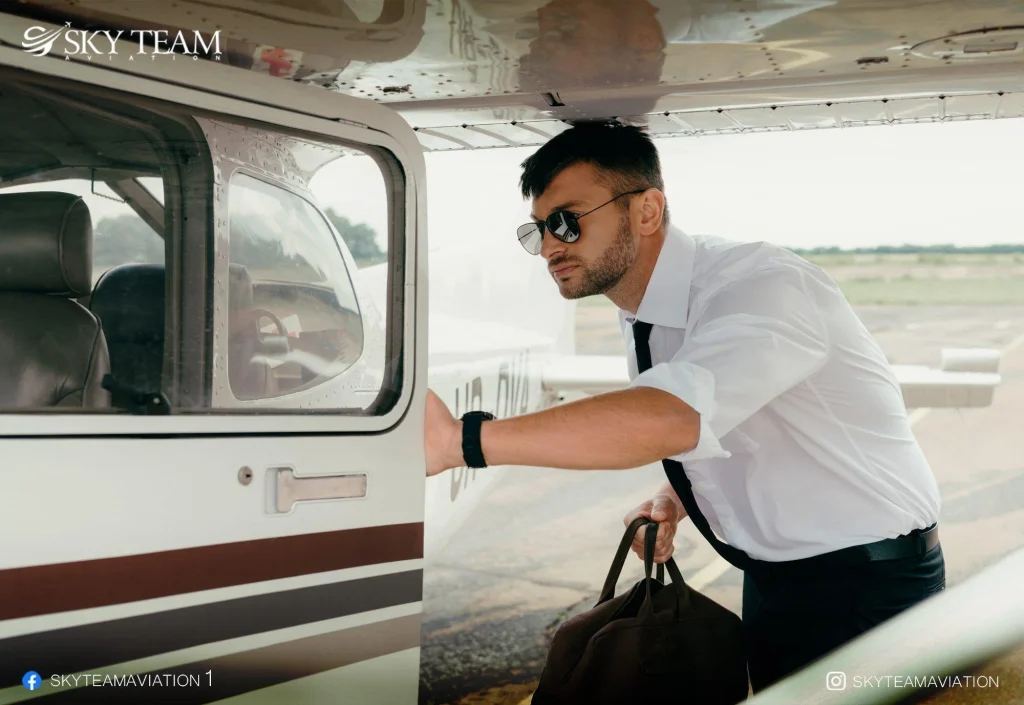
Yes. Secure accommodation is provided in a private compound, along with transportation between the residence and the training location.
Is the accommodation secure?
The accommodation is selected to provide a suitable and secure environment for students throughout their stay.
Is transportation provided?
Yes. Transportation is provided between the accommodation and the training location both ways.
Why is food not included with accommodation?
Meals are not included because students have different preferences and dietary needs. The accommodation is chosen near restaurants, malls, and supermarkets to make daily living easier.
What happens if I have a health issue there?
If a student faces a health issue, the administration is informed and medical care is arranged, while the student benefits from the available medical coverage.
Is South Africa safe for students?
Students are guided on the appropriate safety instructions, locations, and timing rules. By following the academy’s guidance and local rules, students can live and study in an organised and secure way.
Career Opportunities FAQs

Do all students work as instructors after graduation?
Working as an instructor is not automatic for everyone, but it may be available to strong students who follow regulations, perform well academically, and show consistent professionalism.
Do I get paid if I work as an instructor?
Yes, flight instructors may receive monthly income depending on the available opportunity and the employment arrangement at that time.
Have most graduates found jobs?
Many graduates have moved into aviation-related career paths, but employment outcomes vary from one student to another based on performance, flight hours, and professional readiness.
What could affect my chances of working for an airline?
The main factors that influence airline employment include total flight hours, performance during training, success in required exams, and professional and personal readiness.
Is employment guaranteed after graduation?
No institution can guarantee employment absolutely. However, the academy can help students build the required pathway, increase flight hours, and prepare for available job opportunities.
Study Duration & Exam FAQs
How long does the programme take?
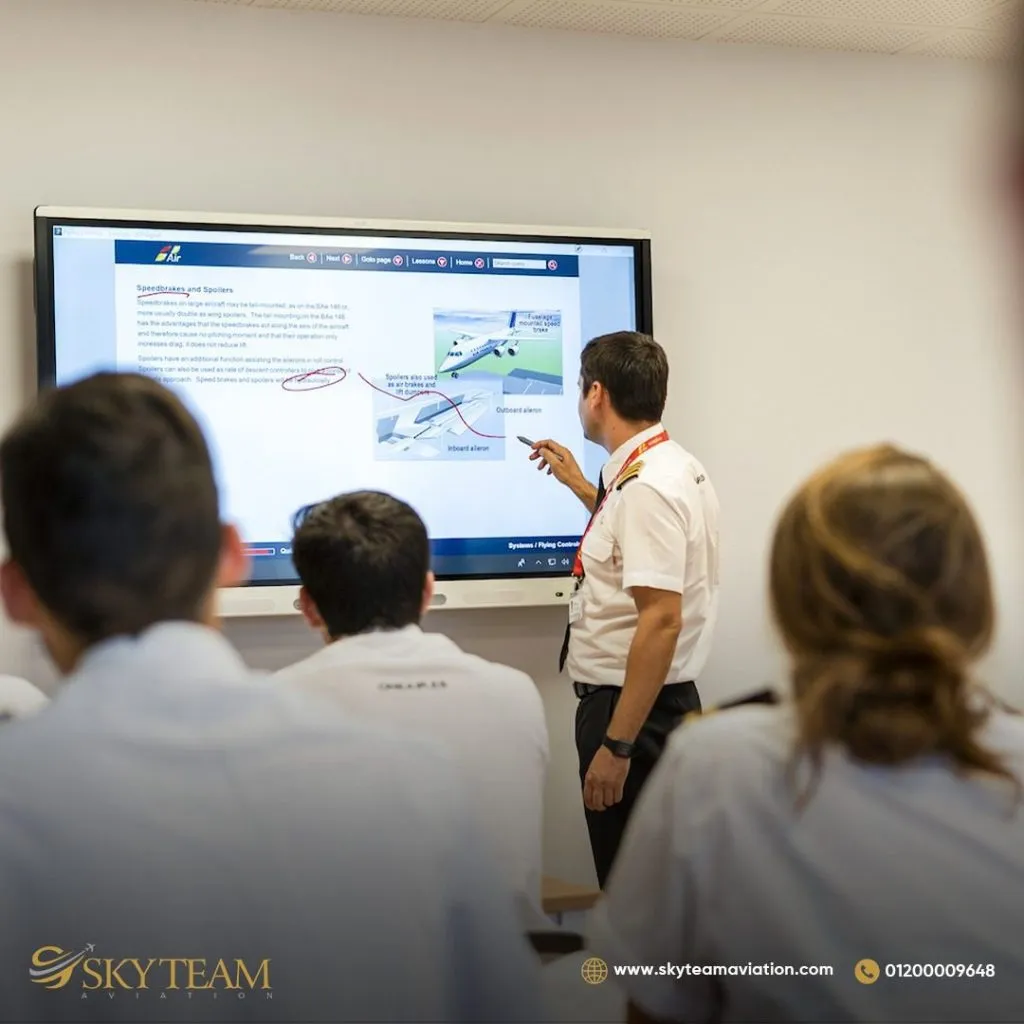
If you apply now, the programme usually takes between 12 and 18 months, depending on the student’s commitment and the pace of completing academic and practical stages.
Are there any holidays during the programme?
Yes. There are holiday periods that can be arranged during the course of study according to the approved schedule.
How many students are usually in one group?
A typical group usually includes around 8 to 10 students.
Will all students train with the same instructor?
No. Each student is assigned an instructor to support their training properly.
How are the subjects and exams organised?
Students study the subjects gradually, focusing on one subject and completing its exam before moving to the next.
Are the exams easy or difficult?
The exams depend on understanding and proper preparation, and they are commonly delivered in multiple-choice format.
Is it possible not to finish within 18 months?
Yes. The duration may become longer if the student is not consistent with study and training or if delays happen during some stages.
Are there extra fees if I do not finish within 18 months?
If a student exceeds the planned programme duration, additional fees may apply depending on the academic situation and the stage reached.
How many student batches has the academy graduated?
This is usually better measured by the number of students who complete the full training pathway, since some students choose to stop after certain licences or stages rather than finish the full route.
Start Your Aviation Journey with SkyTeam Aviation
Ready to learn more about pilot training, admission, and course options? Contact SkyTeam Aviation to speak with the team and take the next step towards your aviation career.
Contact Us