Commercial Pilot license 200 H (CPL)

Commercial Pilot license 200 H CPL

Commercial Pilot license 200 H (CPL)

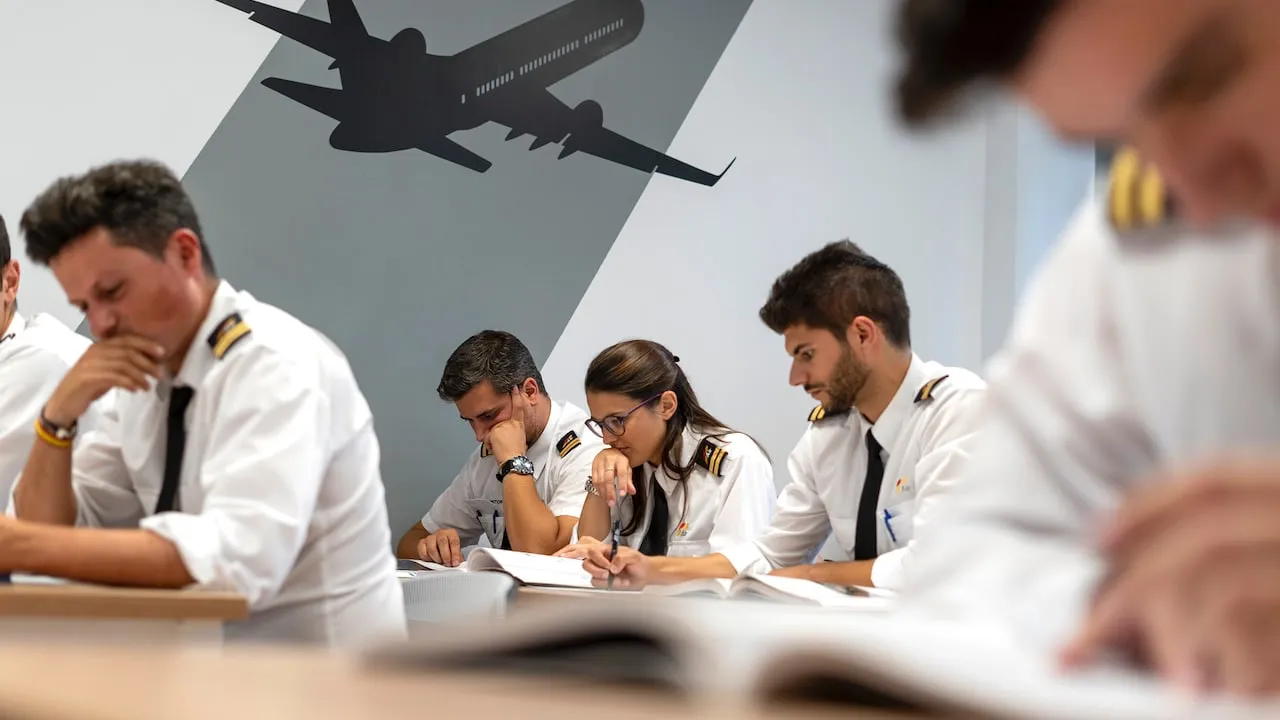
Joining our CPL course grants you access to an education provided by some of the leading Commercial Pilot instructors in the world. We provide a robust and well-rounded education for our CPL students in order to ensure a thorough understanding of the complex concepts and information required to become a commercial pilot.
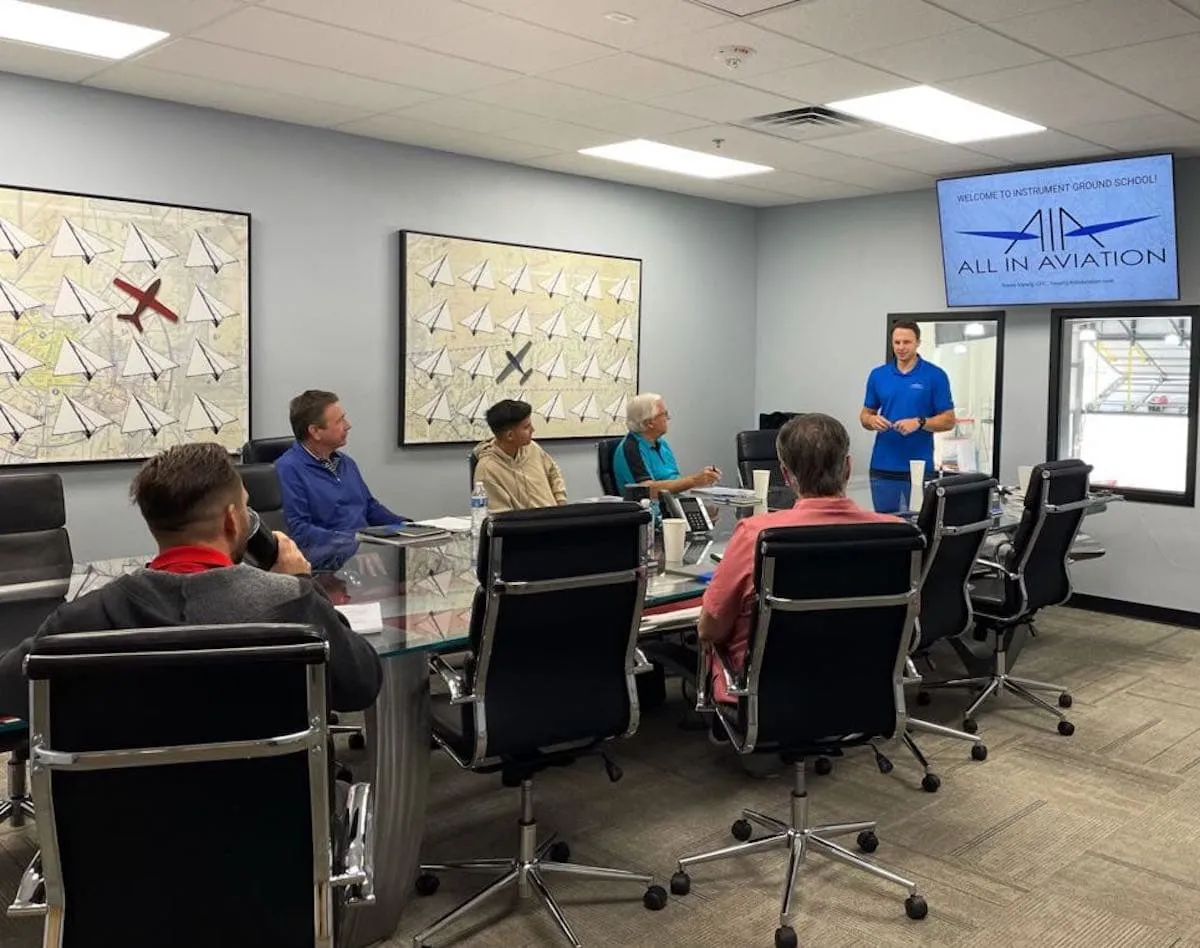
The coursework is a unique blend of hands-on training and theoretical education in a classroom setting to provide a rounded educational experience. Our instructors lead our students through this often tough and difficult practical and theoretical coursework with a professional level of support and guidance in order to grant students with the knowledge needed to become a successful commercial pilot.

All Programs

Program Benefits

  1. Authority to Serve as Pilot-in-Command for Compensation (Single-Pilot Operations)
  2. Building a Career with Increasing Responsibility and Growth
  3. Opportunity to Work as a Co-Pilot on Medium-Sized Commercial Aircraft
  4. Accumulating Necessary Flight Hours and Operational Experience
  5. Investing in Your Future as a Professional Pilot
  6. Building Confidence, Discipline, and Essential Skills

Program Requirements

Requirements:

  1. Be at least 18 years old.

  2. Be the holder of a class 1 Medical Certificate.

  3. Hold a General Radio Telephony Certificate.

  4. Successfully completed The SA-CAA CPL theory examination.

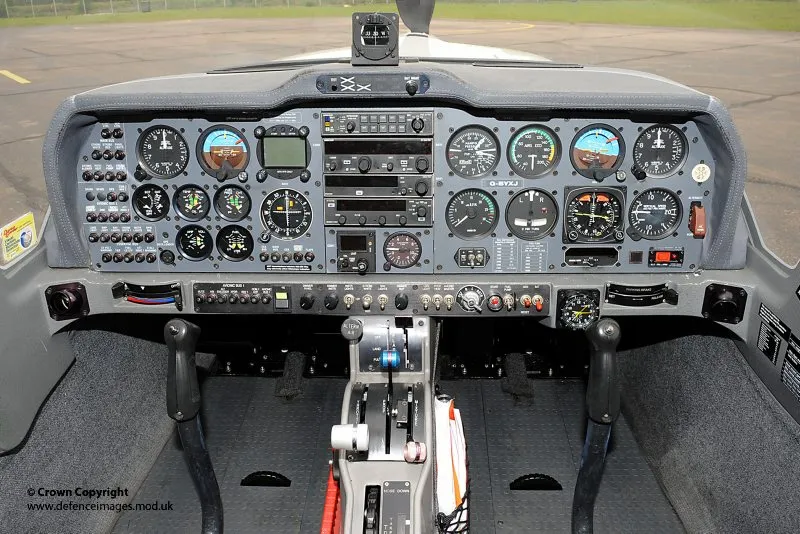
  5. A CPL General Flight Test must be conducted in A Complex-Type Aircraft (featuring adjustable flaps, retractable undercarriage, and a constant-speed propeller) by a Grade I Designated Flight Examiner (DFE).

  6. Submit an application to the SA-CAA for your CPL license and Pay The Application Fee.

Flight Hour Requirements

  1. You must completed a minimum of 200 flight hours, of which up to 20 hours may be from approved aviation simulators.

  2. If you are pursuing a CPL license with an Instrument Rating, you will require 180 hours of actual flight time.

  3. Out of these flight hours, at least 100 Hours must be logged as pilot-in-command (PIC), including 5 hours at night.

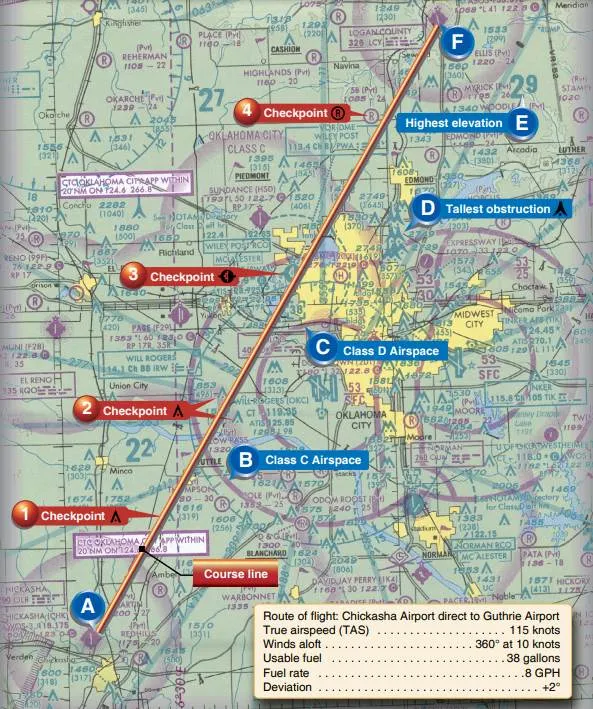
  4. You must also complete a Night Cross-Country Flight consisting of at least three legs, each leg being more than 50 NM, along with a minimum of 10 take-offs and 10 landings at night.

  5. This PIC time must include a minimum of 20 Hours Of Cross-Country Flight Time, with at least one flight exceeding 300 Nautical Miles (NM) and involving two full-stop landings at airfields other than your base.

Investing in Your Future with the CPL Course

Duration

24 Months

Frequently Asked Questions

How many flight hours does a student graduate with?

Students graduate with a total of 200 flight hours as part of the training programme.

During the training pathway, students obtain a Private Pilot Licence (PPL), Commercial Pilot Licence (CPL), and Frozen ATPL.

Students also receive important ratings, including Instrument Rating, Night Rating, and Multi-Engine Rating.

Ratings are additional qualifications gained alongside the main licence. They allow the student to operate aircraft in different flight conditions and training environments.

Frozen ATPL means the student has completed the theoretical requirements for an Airline Transport Pilot Licence and passed the required exams, while the licence becomes fully active after completing the required flight hours.

Pilots typically need 1,500 flight hours to meet the requirements for activating a full ATPL (Airline Transport Pilot License).

After graduation, students can build flight hours by working in the industry. One possible pathway is working as a flight instructor, provided the required conditions are met.

Students can build flight hours within the same training environment where they studied, or through later work and training opportunities depending on their career path.

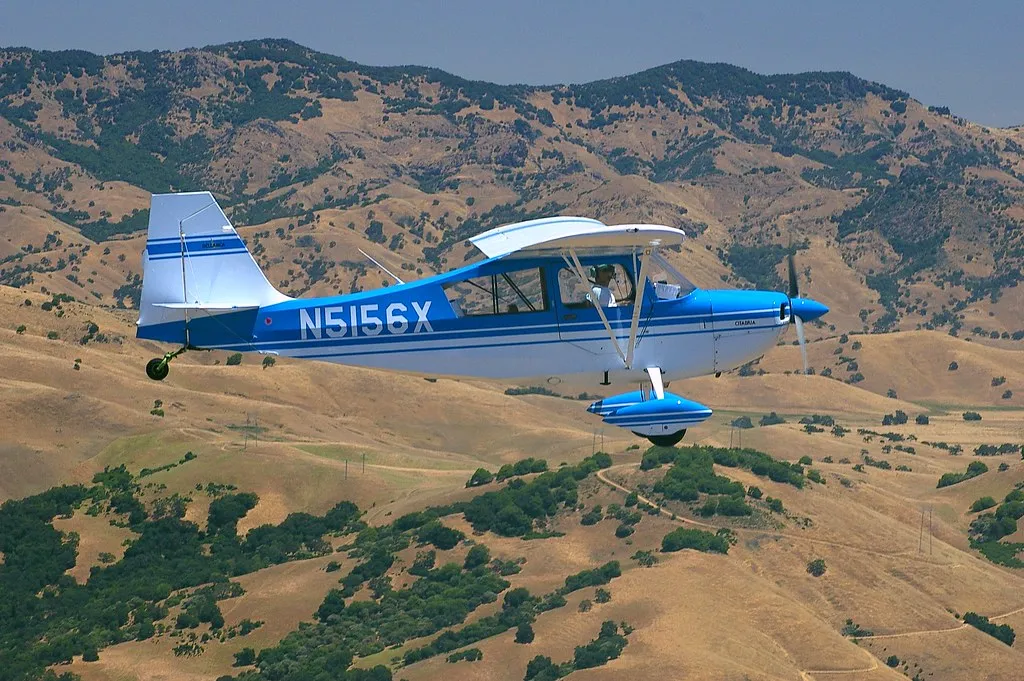
Training is conducted on approved training aircraft designed for both basic and advanced stages of the flight programme.

Examples of training aircraft include Cessna 172, Piper PA30, and Piper PA44.

The licences are issued under the aviation authority governing the training in South Africa, and the required conversion or validation process can be completed depending on the country where the student plans to work.

Yes, but students must complete the required licence conversion and equivalency procedures with the relevant authorities in Egypt.

Licence equivalency is the process of converting or validating a licence issued in South Africa so it matches the civil aviation requirements of the country where the student wants to work.