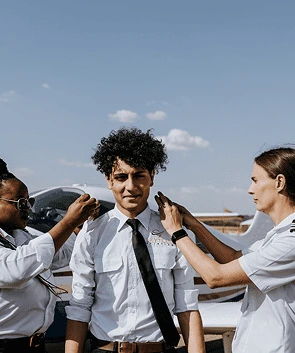
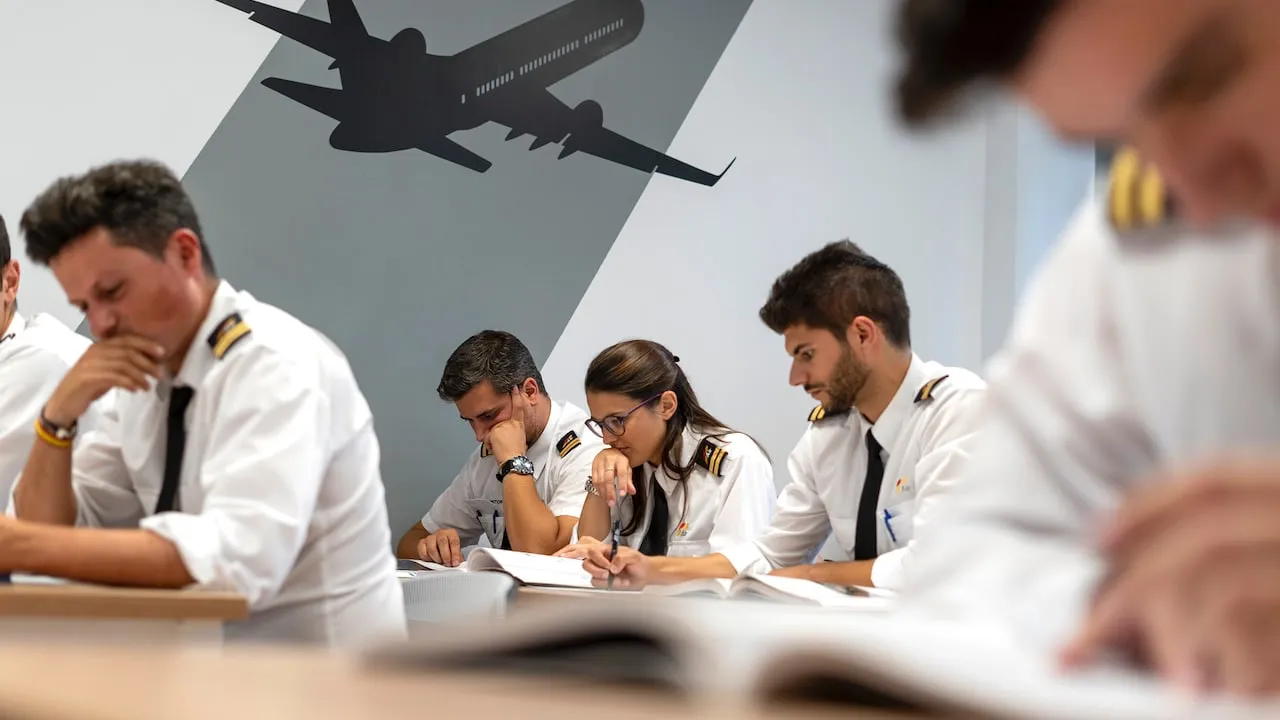
Private Pilot license (PPL)

Private Pilot license pPL

Private Pilot license (PPL)

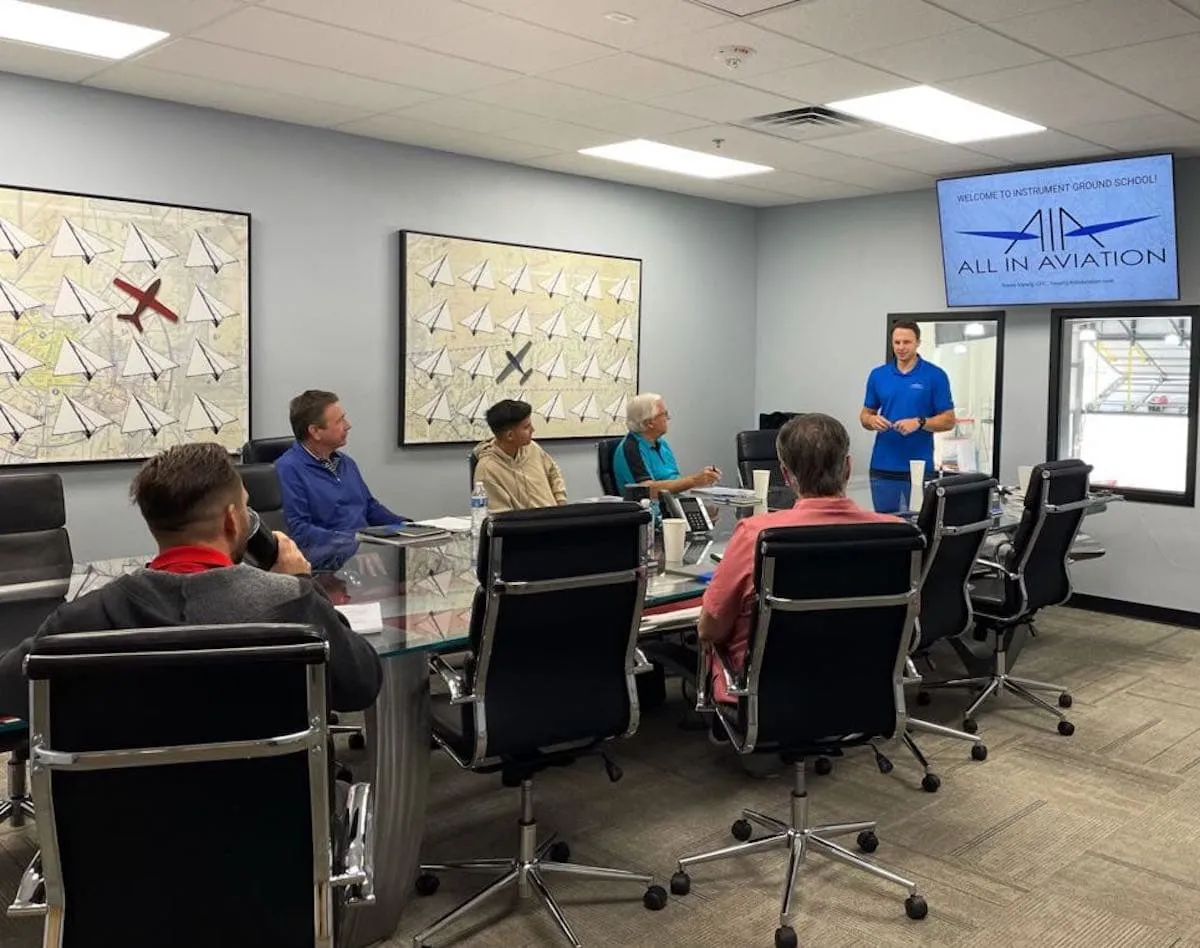
Our PPL course capitalizes on a multi-platform approach in order to provide a well-rounded educational environment for PPL students. By combining our study guides, integrated training, and practical application of our subject matter, our dedicated flight instructors provide the guidance and assistance PPL students need to confidently move through the coursework in order to achieve their own success.
Our exams are created using our Examination Management System in conjunction with the South African Civil Aviation Authority in order to ensure best practices and a premium educational experience for our PPL students. Students must achieve a passing mark of 75% or greater to successfully complete coursework.

All Programs

Program Benefits

  1. A structured curriculum that covers every aspect of private pilot training.
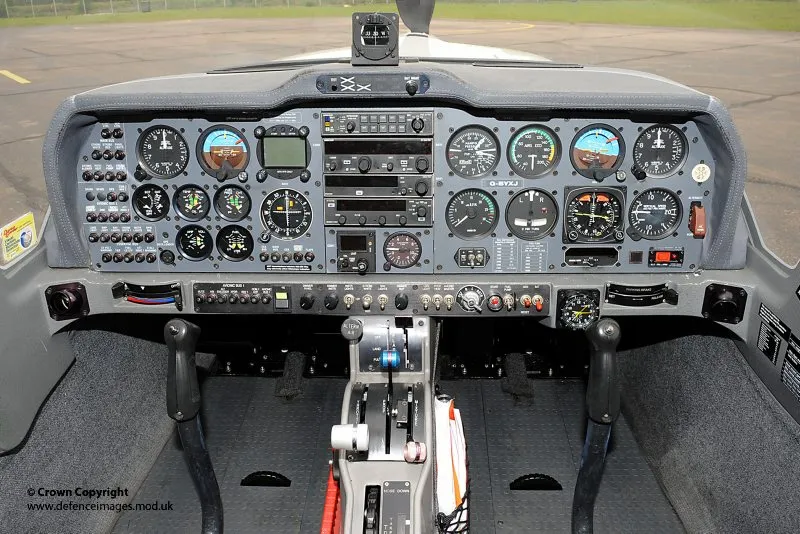
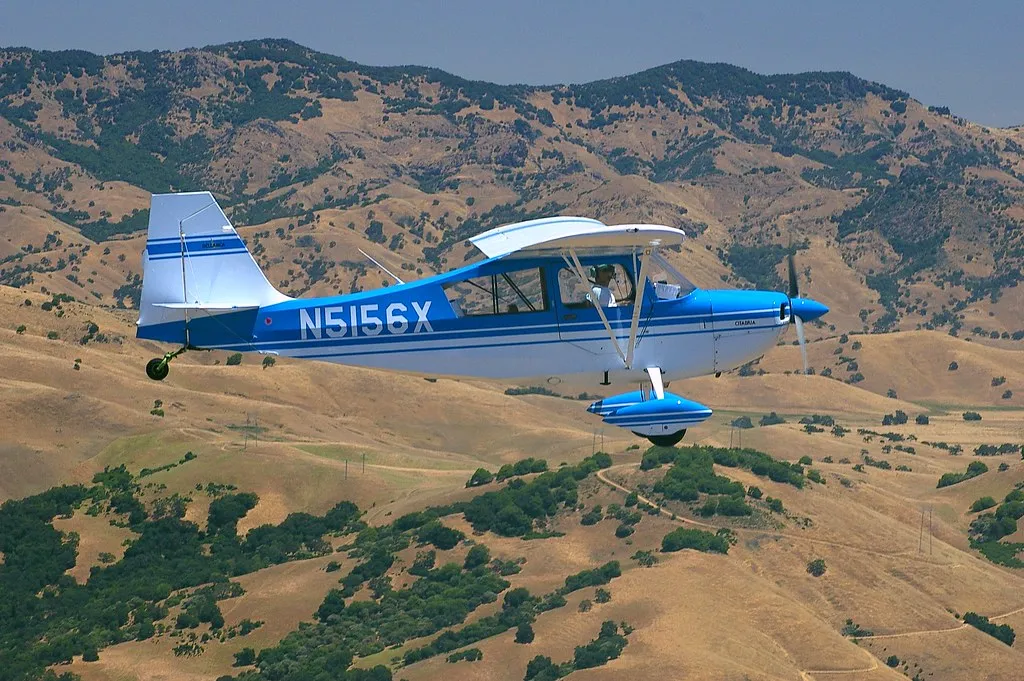
  2. Modern aircraft and simulators to ensure that you accumulate the necessary private pilot license hours.
  3. Access to experienced flight instructors who provide personalized guidance.
  4. An educational environment that emphasizes both safety and practical knowledge.

Program Requirements

Requirements:

  1. Be at least 16 years old, and there is no upper age limit.

  2. Complete a formal Medical Examination (Class I or II).

  3. Our admin team will assist you in completing the SPL Application Form.

  4. Two Passport-Sized photographs are necessary.

  5. A basic Written Examination covering air law and procedures must be passed. The content will be straightforward after a few lessons with your instructor.

  6. Payment of the Prescribed License Fee to the South African Civil Aviation Authority (SA-CAA) is required. After this, you will receive a license permitting you to fly solo under the supervision of your instructor.

Flight Hour Requirements

  1. A valid Student Pilot’s License is required.

  2. You must log A Minimum Of 45 Hours, which includes at least 15 hours of solo flight and 25 hours of dual flight instruction (with an instructor). The dual flight instruction must consist of 5 hours of simulation training, which may be completed in the aircraft. Additionally, you will need at least 5 hours of solo cross-country flight time.

  3. You are required to pass 7 Written Examinations that will assess your knowledge in Engines & Airframes, Meteorology, Air Law, Navigation, Human Performance, Flight Planning, and Principles of Flight.

  4. You need a “Restricted Radio Licence” before getting your PPL. It’s a good idea to complete this early in your training, as the information helps significantly with all flight aspects.

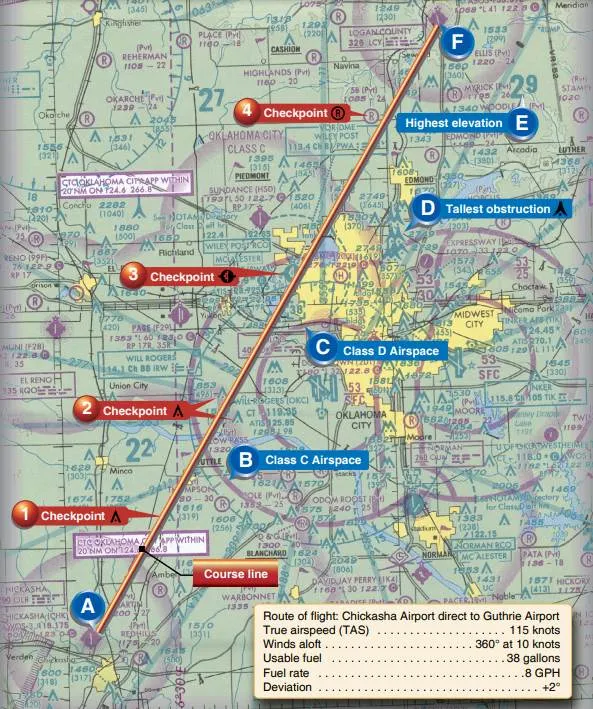
  5. You’ll take Two Practical Flight Tests. The first, a General Flight Test (GFT), assesses your aircraft handling in normal, abnormal, and emergency situations, administered by a Grade One or Two instructor. The second test evaluates your navigation skills, requiring you to fly a pre-planned triangular route with two landings at different airports and operate in controlled airspace.

  6. Once flight time and tests are complete, Verify Your Paperwork and submit it with the required fee to the SA-CAA to convert your Student Pilot’s License to a Private Pilot’s License.

Investing in Your Future with the CPL Course

Duration

24 Months

Frequently Asked Questions

How many flight hours does a student graduate with?

Students graduate with a total of 200 flight hours as part of the training programme.

During the training pathway, students obtain a Private Pilot Licence (PPL), Commercial Pilot Licence (CPL), and Frozen ATPL.

Students also receive important ratings, including Instrument Rating, Night Rating, and Multi-Engine Rating.

Ratings are additional qualifications gained alongside the main licence. They allow the student to operate aircraft in different flight conditions and training environments.

Frozen ATPL means the student has completed the theoretical requirements for an Airline Transport Pilot Licence and passed the required exams, while the licence becomes fully active after completing the required flight hours.

Pilots typically need 1,500 flight hours to meet the requirements for activating a full ATPL (Airline Transport Pilot License).

After graduation, students can build flight hours by working in the industry. One possible pathway is working as a flight instructor, provided the required conditions are met.

Students can build flight hours within the same training environment where they studied, or through later work and training opportunities depending on their career path.

Training is conducted on approved training aircraft designed for both basic and advanced stages of the flight programme.

Examples of training aircraft include Cessna 172, Piper PA30, and Piper PA44.

The licences are issued under the aviation authority governing the training in South Africa, and the required conversion or validation process can be completed depending on the country where the student plans to work.

Yes, but students must complete the required licence conversion and equivalency procedures with the relevant authorities in Egypt.

Licence equivalency is the process of converting or validating a licence issued in South Africa so it matches the civil aviation requirements of the country where the student wants to work.