Introduction:
When most people think about an airline cockpit, they imagine one pilot in charge and another pilot helping. That basic idea is true, but it leaves out the details that actually matter. The difference between a captain and a co-pilot is not just about seniority or who sits in which seat. It involves legal authority, operational responsibility, licensing, experience, and the way airline crews work together on every flight.
Why this difference matters
This topic matters because many aspiring pilots want to know how airline roles actually work, not just what the titles sound like. It also matters because this page sits high in impressions, which means readers are likely coming with real questions: What does a co-pilot actually do? Is a co-pilot fully qualified? How does someone become a captain? How many hours are usually needed? What licence comes first?
Those are the questions this article should answer clearly.
What Is a Captain?
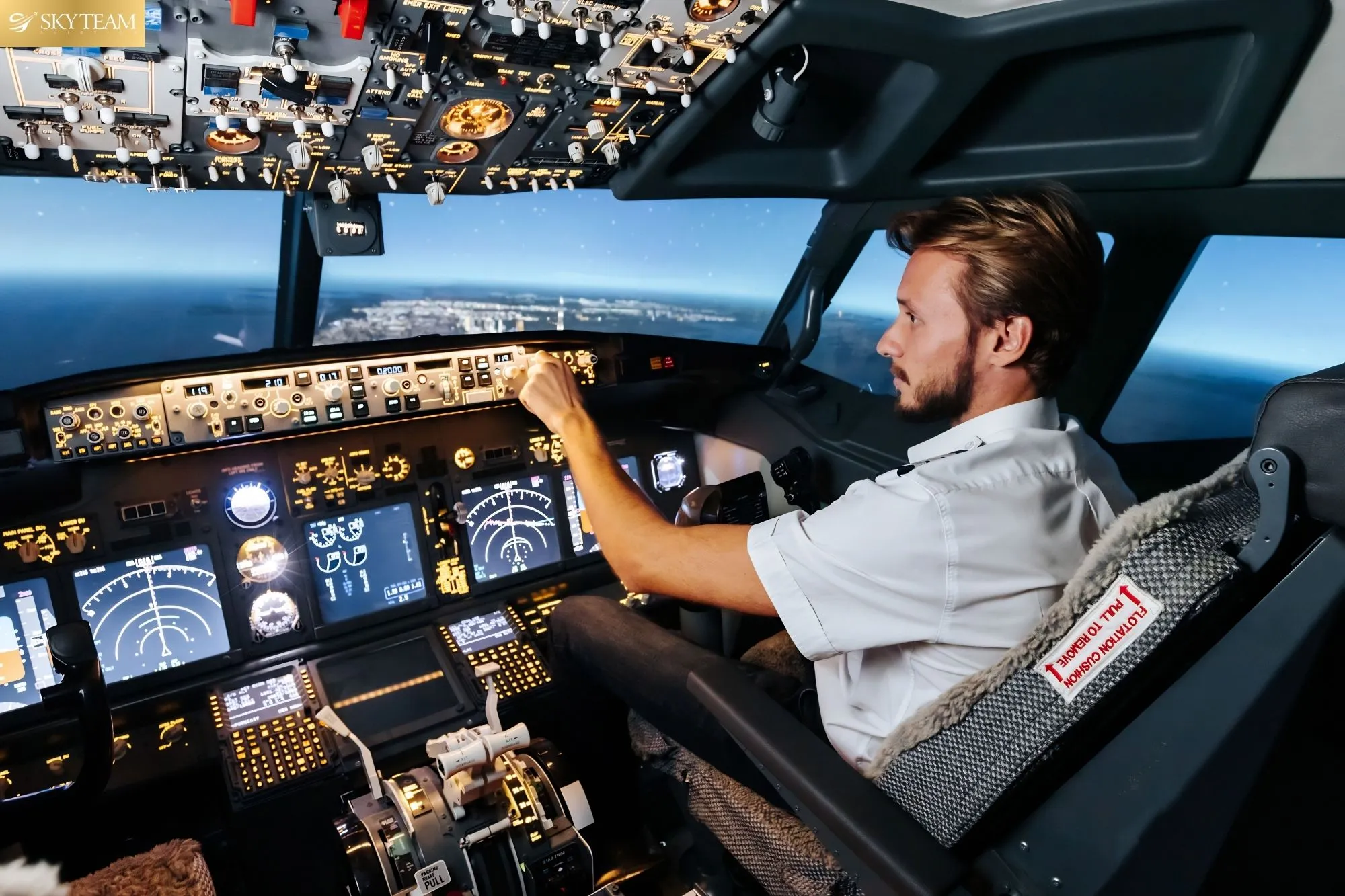
A captain is usually the pilot in command of the aircraft. In airline operations, that means the captain is the pilot with final command authority and final responsibility for the safe conduct of the flight. Under FAA rules, the pilot in command is “directly responsible for, and is the final authority as to, the operation of that aircraft.” ICAO’s personnel licensing guidance also explains that in a multi-crew aeroplane, one pilot is the captain and the other is the co-pilot or first officer.
What a captain does in practice
A captain does far more than simply “fly the plane.” The captain is responsible for the overall flight operation, including the final go/no-go decision, operational judgement, safety leadership in the cockpit, and command decisions during abnormal or emergency situations. Even in a highly standardised airline system, there still needs to be one pilot with final authority, and that is normally the captain.
Is the captain always the one touching the controls?
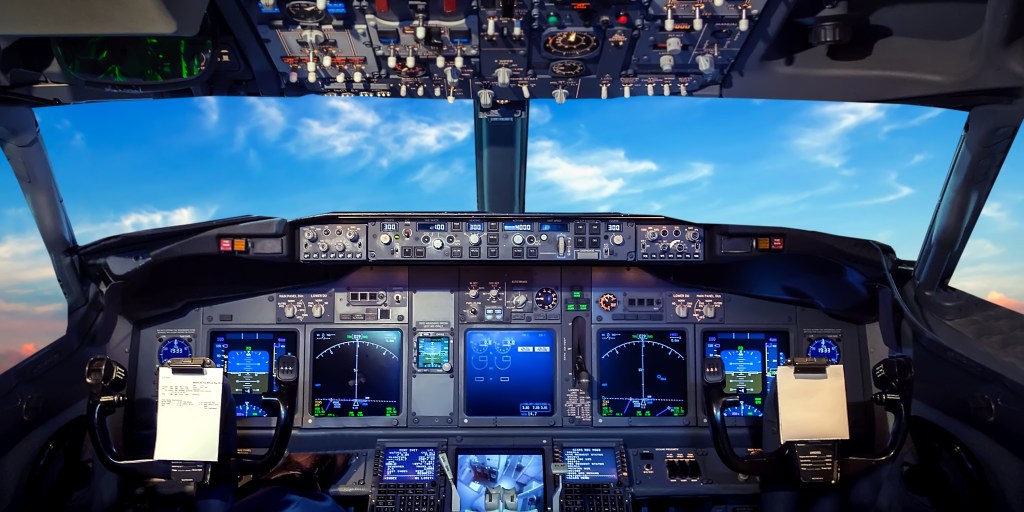
No. This is where many readers misunderstand the role. A captain can remain the pilot in command even when the co-pilot is the pilot flying for that sector. In airline operations, “pilot in command” and “pilot flying” are not always the same thing. The captain keeps final authority, but the co-pilot may physically fly the aircraft during takeoff, climb, cruise, approach, or landing, depending on crew assignment and airline procedures.
What Is a Co-Pilot?
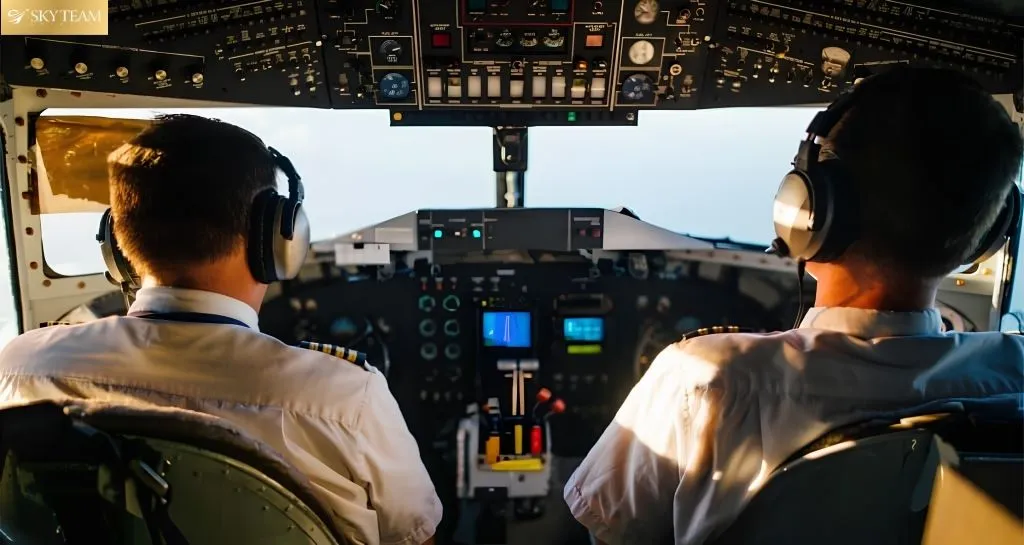
A co-pilot is not just an assistant sitting beside the captain. A co-pilot is a fully licensed and operational member of the flight crew. In airline language, the co-pilot is often called the first officer. EASA defines a co-pilot as a pilot operating other than as pilot-in-command on an aircraft for which more than one pilot is required. FAA regulations define the second in command as a pilot designated to be second in command of an aircraft during flight time.
What a co-pilot does on a normal flight

A co-pilot takes part in flight planning, cockpit preparation, checklist execution, radio communication, flight monitoring, systems management, and aircraft handling. On many flights, the co-pilot may be the pilot flying while the captain monitors. On other flights, the captain may fly while the co-pilot handles monitoring and communication duties. The role is active, technical, and essential.
The co-pilot is not “less important”
This point matters because the term “co-pilot” is often misunderstood by the public. The co-pilot is not just there as backup. In a multi-crew cockpit, the co-pilot is a central part of the safety system. ICAO’s personnel licensing guidance explains that multi-crew aeroplanes require at least two pilots, one captain and one co-pilot, which reinforces that the co-pilot role exists because it is operationally important, not decorative.
This also connects directly to the idea of pilot in command, because understanding command authority makes it much easier to understand why the captain and co-pilot do not carry the same final legal role even though both are fully involved in the flight.
Captain and Co-Pilot Definitions at a Glance
Before going deeper, here is the simplest way to understand the difference.
|
Role |
Basic definition |
Final authority |
Typical airline title |
|---|---|---|---|
|
Captain |
Usually, the pilot in command |
Yes |
Captain |
|
Co-pilot |
Pilot operating other than pilot in command in a multi-pilot aircraft |
No |
First Officer / Co-pilot |
What Each Role Oversees
The captain and co-pilot overlap in many daily duties, but their authority levels are not the same.
Captain responsibilities
A captain is usually responsible for final operational decisions, command judgment, emergency authority, acceptance of the aircraft and flight, and overall safe conduct of the operation. In an abnormal situation, the captain has the authority to make the final call even when both pilots discuss the problem together. FAA rules explicitly recognise this command authority.
Co-pilot responsibilities
A co-pilot supports normal and abnormal operations through active monitoring, procedural cross-checking, systems awareness, radio communication, and aircraft handling. A co-pilot is expected to identify threats, challenge errors when needed, and contribute fully to crew resource management. The role is operational, not passive.
Do their roles overlap
Both pilots use checklists and brief procedures, monitor the flight path and systems, communicate with ATC, and work within standard operating procedures. The difference is that the captain holds final command authority, while the co-pilot operates within that structure.
A captain is usually the pilot in command of the aircraft, which means they carry final authority for the safe operation of the flight. The co-pilot is also a fully qualified operational pilot, but does not normally hold that same final legal authority. ICAO’s personnel licensing guidance reflects this distinction by describing multi-crew operations as involving one captain and one co-pilot or first officer, which clarifies how the two roles work together while maintaining different levels of responsibility.
What Licences Are Usually Needed?
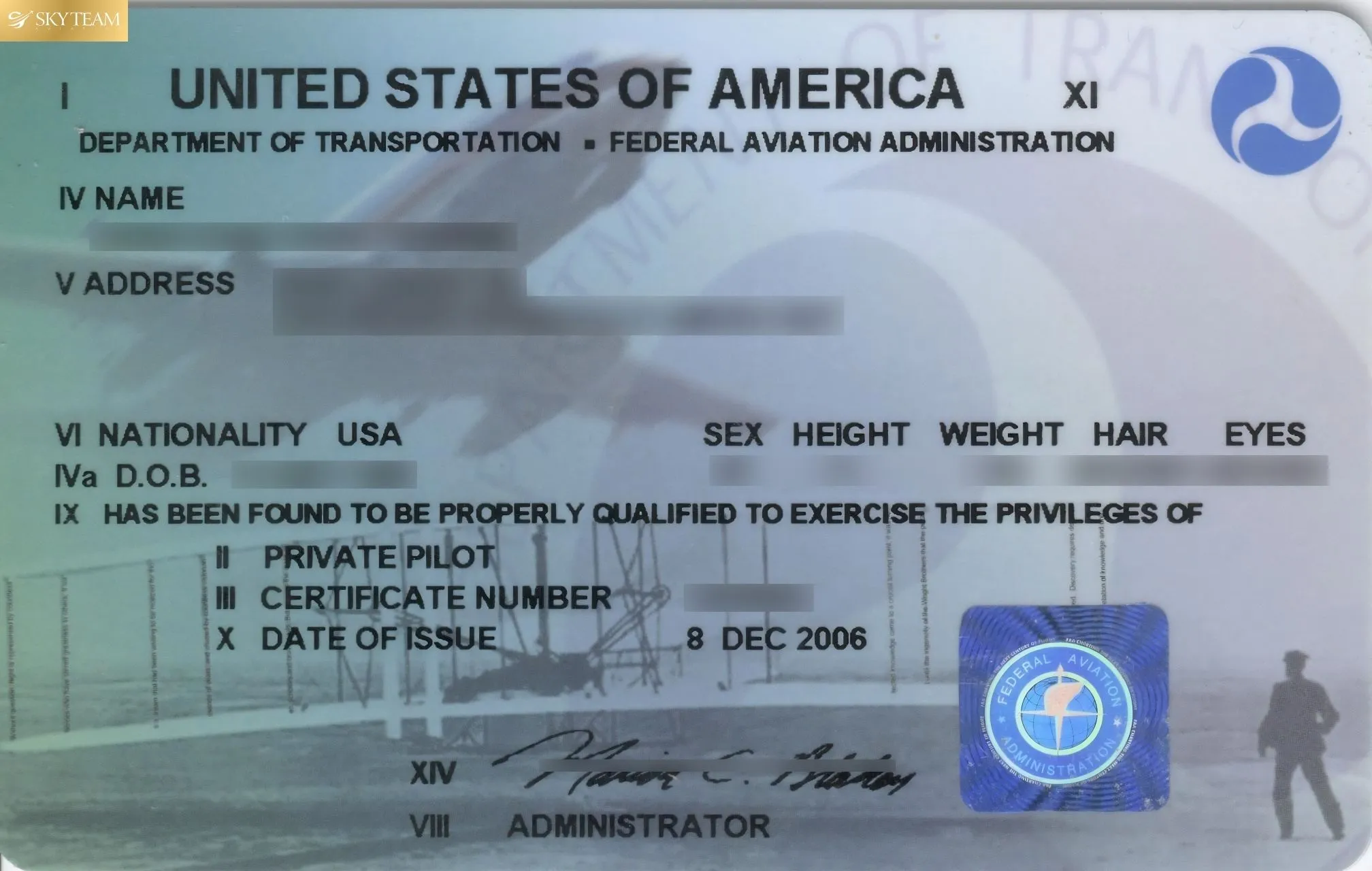
This is where readers usually want a straight answer, so here it is plainly: a co-pilot generally reaches airline operations before a captain does, and a captain usually needs higher-level qualifications and much more experience.
The co-pilot stage
A co-pilot commonly reaches airline or professional operations after completing commercial-level training, relevant ratings, and operator-specific preparation. In the FAA system, a commercial pilot certificate for aeroplanes generally requires at least 250 hours of flight time. In the EASA framework, CPL training routes differ, but the rules clearly set out structured aircrew licensing requirements rather than leaving them informal.
This is why everything that you need to know about commercial pilot fits naturally into this article. Before someone can realistically consider becoming a captain or even a co-pilot, they need to understand the commercial pilot stage thoroughly.
The captain’s stage
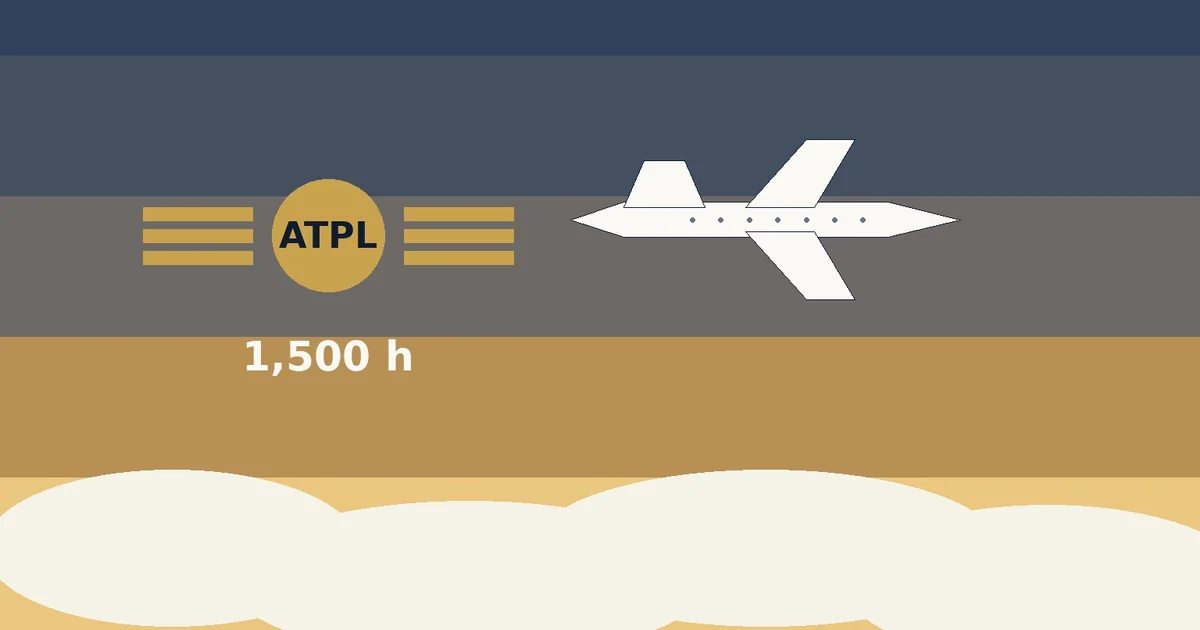
A captain usually reaches command after significant operational experience, internal airline upgrade training, and higher licence eligibility. In FAA regulations, the airline transport pilot pathway is commonly associated with 1,500 hours of total pilot time for the unrestricted route. EASA’s ATPL framework also sits above the CPL level and is designed for higher-level progression in airline command.
So, in practical terms, the co-pilot stage usually comes first, while captaincy typically comes later, after experience, an upgrade, and command readiness.
General Licence and Hours Progression
Because exact pathways vary by regulator, operator, and country, the most honest way to explain this is as a general progression rather than a fake universal rule.
|
Career phase |
Usual focus |
General licence level |
Typical experience position |
|---|---|---|---|
|
Early training |
Learn fundamentals |
PPL / initial training stage |
Beginner |
|
Professional entry |
Build commercial capability |
CPL and related ratings |
Commercial pilot pathway |
|
Airline entry |
Begin multi-crew operations |
Often CPL-based entry plus required operator/rating pathway |
Co-pilot / First Officer |
|
Command progression |
Build senior operational authority |
ATPL-level progression or equivalent command eligibility |
Captain |
This table is general by design, but it reflects the real structure readers need to understand: a co-pilot is usually an earlier airline-stage role, while a captain is a later command-stage role built on experience and licensing progression.
How Many Flying Hours Are Usually Needed?
Hours matter, but not in the lazy way people often think.
Co-pilot hours
A co-pilot does not become effective just because a logbook reaches a round number. The co-pilot role depends on training quality, aircraft type, crew coordination, and operator requirements. Still, commercial-entry pathways usually come after substantial hours of building and formal qualification. In the FAA system, commercial certification generally starts at 250 hours, which is a useful public benchmark for readers.
Captain hours
A captain usually needs far more than the minimum commercial time. The unrestricted FAA ATP route commonly requires 1,500 total hours, which is why captaincy is usually associated with significantly more operational maturity than the co-pilot stage. But hours alone are not enough. Airlines also look at judgment, standardisation, technical performance, leadership, and upgrade readiness.
Captain vs Co-Pilot Responsibilities Comparison
|
Area |
Captain |
Co-pilot |
|---|---|---|
|
Command status |
Usually the pilot in command |
Usually second in command |
|
Final legal authority |
Yes |
No |
|
Seat in many airline ops |
Usually left seat |
Usually right seat |
|
Can physically fly the aircraft |
Yes |
Yes |
|
Handles checklists and procedures |
Yes |
Yes |
|
Communicates with ATC |
Yes |
Yes |
|
Main distinction |
Final responsibility |
Shared operational responsibility without final authority |
|
Usual career stage |
Later, more senior |
Earlier airline stage |
That is the real answer. The captain and co-pilot often perform similar operational tasks, but they do not carry the same command status.
How a Co-Pilot Becomes a Captain
This is one of the most useful sections for aspiring pilots, because many readers are not only comparing titles. They are trying to understand progression.
Step 1: Build the commercial foundation
A pilot usually begins by completing core training and moving toward commercial qualification. That is where a Commercial Pilot License (CPL) – 200 H becomes relevant, because it represents the structured training stage that helps a pilot move from general ambition to professional readiness.
Step 2: Enter the co-pilot stage
After meeting commercial-level qualifications and operator-specific requirements, many pilots begin airline-style progression as co-pilots or first officers. This is where they gain real multi-crew operational experience, line discipline, and cockpit standardisation.
Step 3: Build experience and command judgment
The move from co-pilot to captain does not happen automatically. A pilot usually needs more time, more exposure, stronger decision-making, and successful completion of airline upgrade and command training.
Step 4: Upgrade to command
Only after a pilot proves command readiness does captaincy become realistic. That is why the captain’s role is not just “more hours.” It is the combination of experience, licence progression, and demonstrated authority under pressure.
Why Readers Get Confused About the Roles
The biggest confusion is simple: many people think the co-pilot is either a trainee or a backup. In reality, the co-pilot is an essential operational pilot in the crew. The cockpit is designed around teamwork, monitoring, and cross-checking. The captain may hold final authority, but the co-pilot is deeply involved in keeping the operation safe and efficient.
That is why the word co-pilot should not be read as “less real pilot.” It simply describes the pilot who is not acting as pilot in command in that operation.
Conclusion
The difference between captain and co-pilot is not just about rank. It is about authority, accountability, experience, and role within a professional flight crew. A captain is usually the pilot in command and carries final authority for the aircraft and its operation. A co-pilot is a fully qualified operational pilot who shares the workload, flies the aircraft, manages procedures, and supports safety throughout the flight without carrying the same final legal authority.
For aspiring pilots, the practical takeaway is clear: the co-pilot stage is usually where airline experience begins, while captaincy is usually where command experience is earned. Understanding that progression helps readers make sense of licensing, flying hours, cockpit teamwork, and the professional path ahead.
If you want, send the next one, and I’ll keep the same format: preserve the topic, deepen it properly, distribute internal links in context, and embed the neutral source naturally inside the copy.