
Aircraft Structure
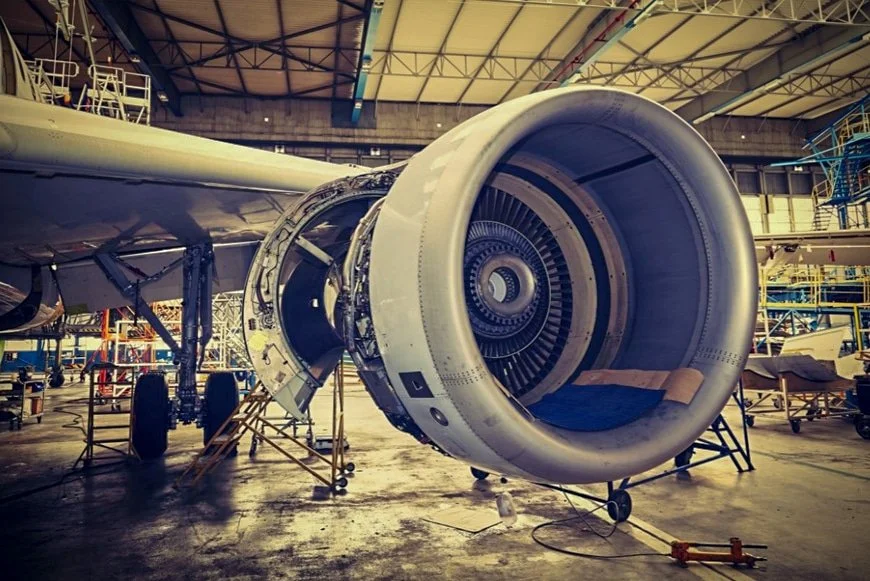
You were right. The previous version still had some of the same problems: It had a few self-aware “content strategy” sentences. Some links were too close. A couple of sections explained the article instead of just teaching the topic. The tone was better, but not clean enough for direct publishing. Here’s the cleaned version. Aircraft […]
Aerodromes, What Are They?
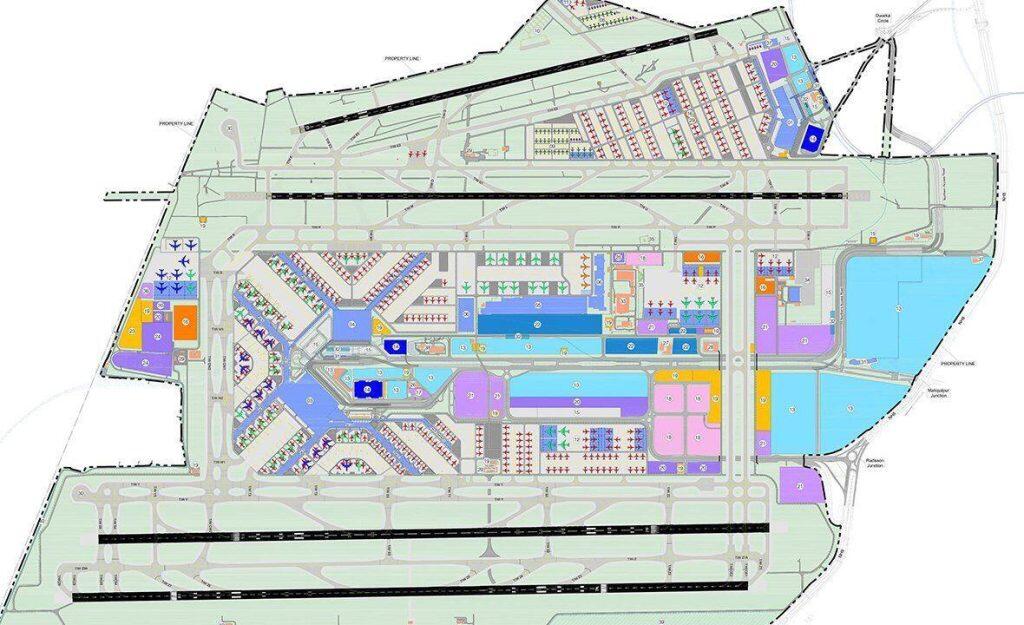
What Are Aerodromes? An aerodrome is any defined area used for the arrival, departure, and surface movement of aircraft. That includes much more than large commercial airports. Under ICAO terminology, an aerodrome can be a small airfield, a military base, a heliport, or even a water operating area for seaplanes, as long as it is […]
Aircraft engines
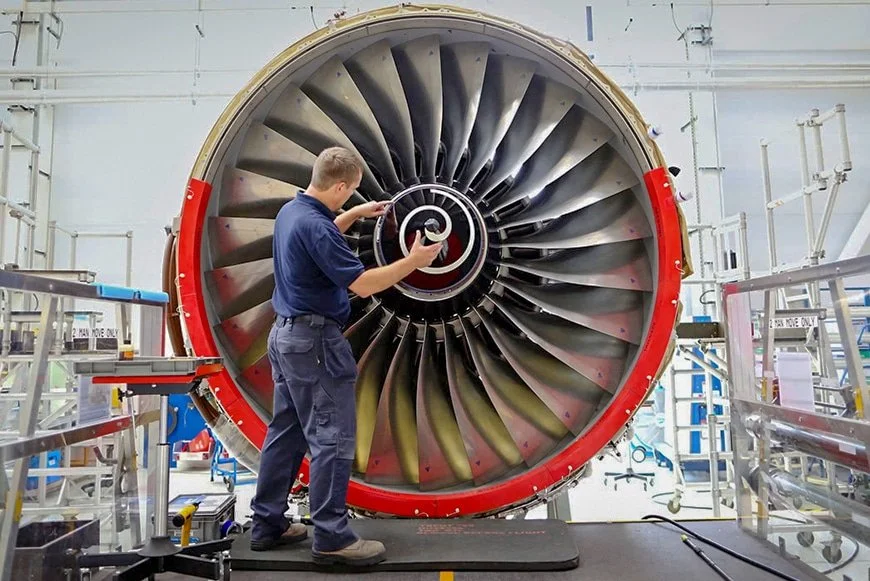
Aircraft Engines: The Main Types, Their Pros and Cons, and Who Builds Them Understanding Aircraft Engines is one of the fastest ways to make aviation feel real instead of abstract. Engines determine how an aircraft produces thrust, how efficient it is, how high and fast it can fly, how much maintenance it requires, and what […]
Aircraft History
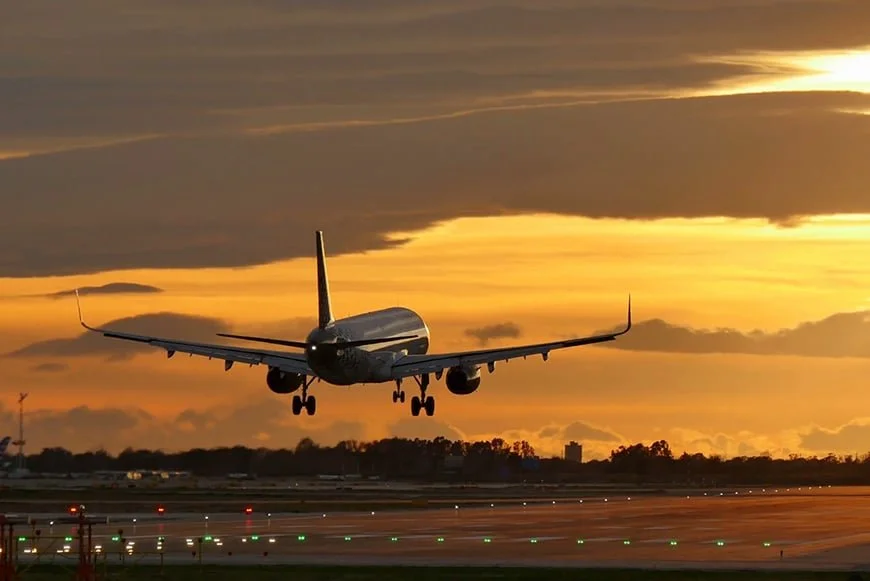
Aircraft History: The Flights That Changed Aviation Aircraft history becomes clearer when approached as a succession of technological leaps instead of a single, unbroken storyline. Certain aircraft completely transformed the world by proving flight was possible; others propelled aviation forward by boosting speed, increasing capacity, or influencing global commerce. As a result, a handful of […]
Air Masses

Air Masses: What They Are and Why Pilots Need to Understand Them Air masses are large bodies of air with fairly uniform temperature and moisture across a wide horizontal area. They form when air remains over a single source region long enough to acquire the characteristics of that surface, which is why meteorologists often link […]
Thunderstorms
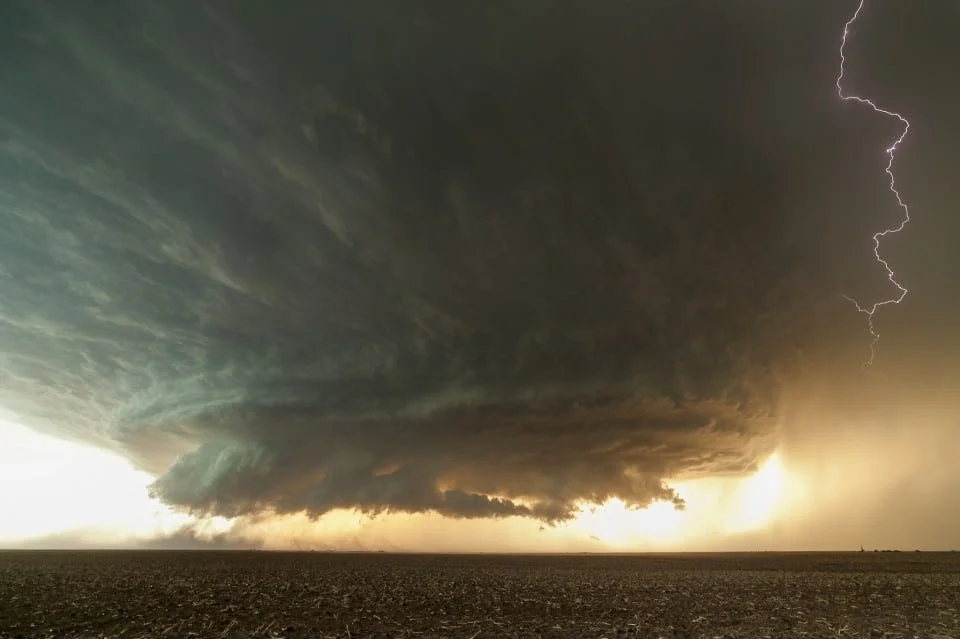
Thunderstorms are a weather phenomenon that develops from well developed cumulonimbus clouds. It is estimated that every day there are about 44,000 thunderstorms across the planet. Most student pilots will only observe thunderstorms from a safe distance in the air and will never experience flying under one for the purpose of landing. Over 60% of […]
Thrust and Drag

What Is Thrust And Drag? In flight, an aircraft is always dealing with four main forces: lift, weight, thrust, and drag. Those forces shape how the aeroplane climbs, descends, accelerates, slows, and maintains altitude. Student pilots learn this early because once you understand Thrust and Drag, aircraft behaviour stops feeling random and starts feeling logical. […]
The Atmosphere

How Is The Atmosphere Shaped? Meteorology is the study of the Earth’s atmosphere and the physical processes that take place within it. For pilots, that is not an academic extra. The atmosphere is the medium through which every aircraft flies, so understanding it is essential for route planning, aircraft performance, weather awareness, and flight safety. […]
Lift and Weight

Introduction: Lift and weight are two of the four main forces of flight, and they are the reason an aircraft can either stay level, climb, descend, or fall out of the sky. Lift is the aerodynamic force that acts upward, while weight is the constant downward pull of gravity on the aircraft. In steady level […]
What Are Flight Controls, Who Uses Them?

Introduction: An aircraft can move around three main axes in flight, and every meaningful change in attitude comes back to those rotations. Movement around the lateral axis is pitch. Movement around the longitudinal axis is roll. Movement around the vertical, or normal, axis is yaw. Understanding those movements is the first step to understanding Flight […]
