
Clouds
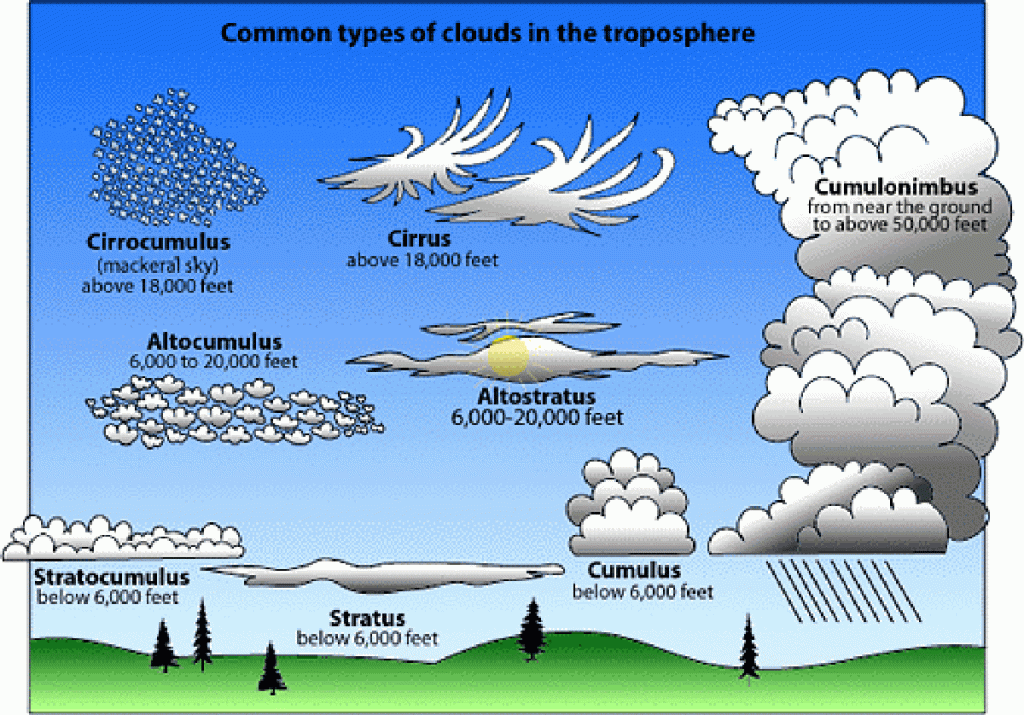
Clouds: Types, Heights, and What Pilots Need to Watch For student pilots, Clouds are more than something in the sky. They are among the first weather signs to warn of turbulence, reduced visibility, icing, precipitation, or unstable air. The FAA’s Aviation Weather Handbook explains that visible moisture formations help pilots visualize weather conditions and potential […]
Private: Pre-flight inspection

Pre-Flight Inspection: What Pilots Check Before Every Flight A preflight inspection is one of the most important habits a pilot develops early on. It is the process of checking whether the aircraft is safe, airworthy, and ready for the flight ahead. Before a pilot considers takeoff, route, or landing, they have to confirm the aeroplane […]
Instrument Landing System
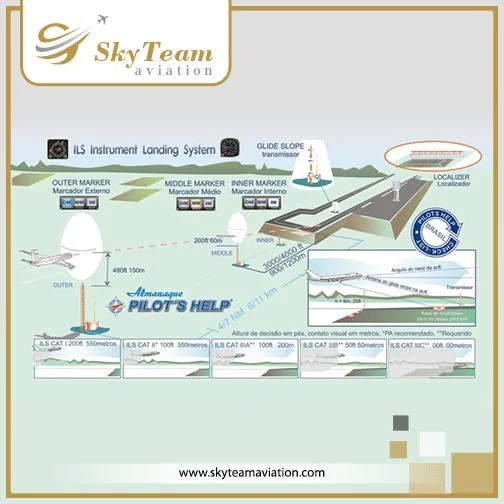
Instrument Landing System: How Pilots Use It in Low Visibility An Instrument Landing System helps pilots land more accurately when visibility is reduced and outside visual references are limited. It provides approach guidance by combining lateral and vertical information, which is why it is especially important in instrument conditions and low visibility. The FAA explains […]
What Is A Takeoff checklist, Why is it Important?
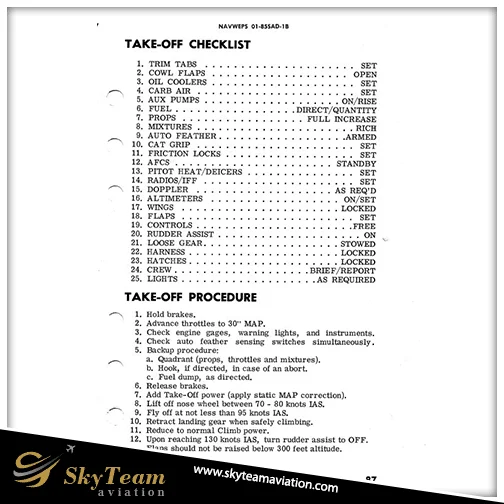
Takeoff Checklist: What Pilots Check Before Departure A Takeoff Checklist is one of the most important safety tools in aviation because it helps pilots confirm that the aircraft, cockpit, and crew are ready before the airplane leaves the ground. The FAA’s Aeroplane Flying Handbook chapter on ground operations explains that the before-takeoff check is normally […]
