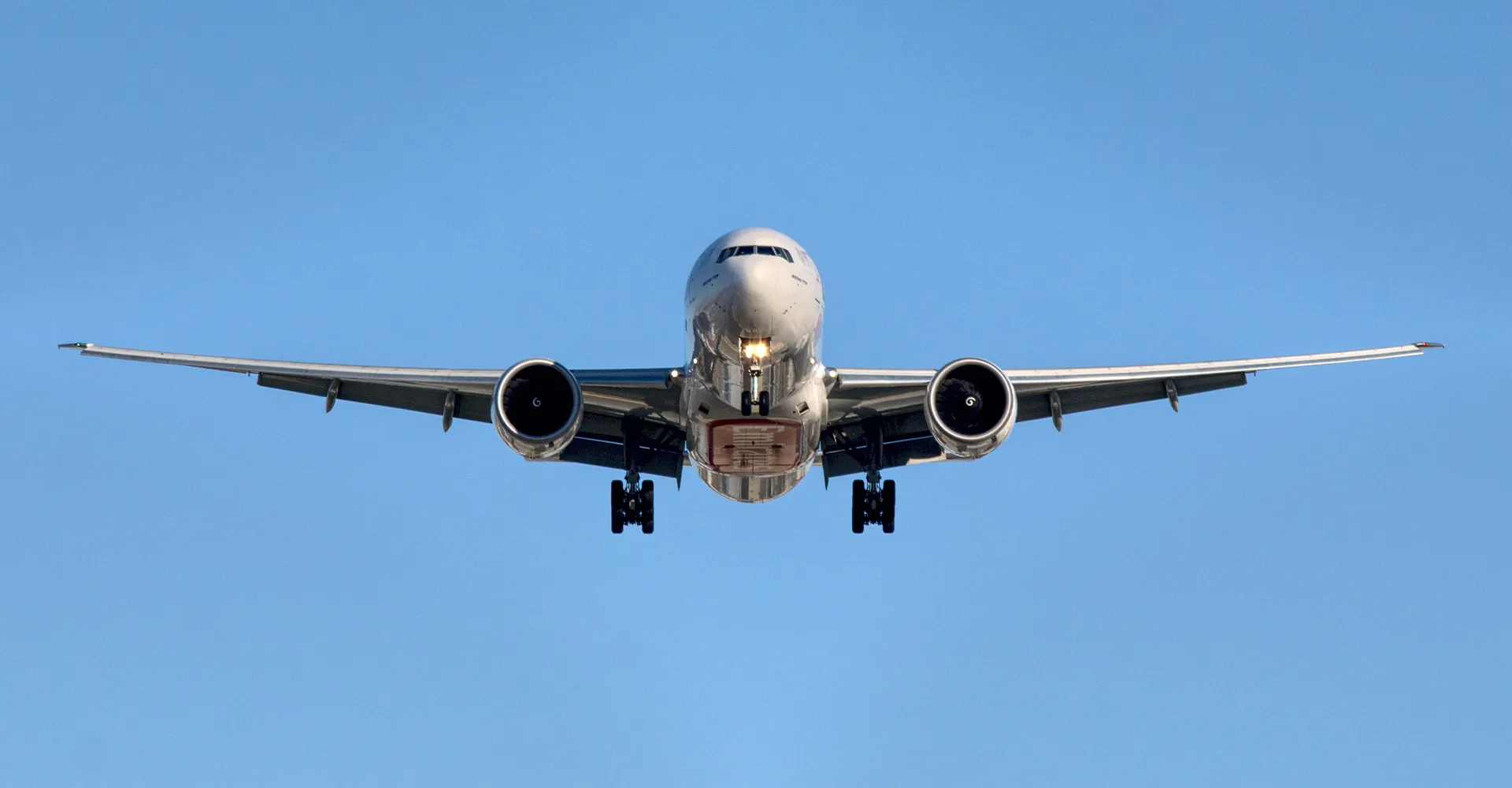
Pre-Flight Inspection: What Pilots Check Before Every Flight
A preflight inspection is one of the most important habits a pilot develops early on. It is the process of checking whether the aircraft is safe, airworthy, and ready for the flight ahead. Before a pilot considers takeoff, route, or landing, they have to confirm the aeroplane is in the right condition to take off.
For student pilots, a preflight inspection is not simply a checklist to memorise. It is the first level of risk control. A careful check on the ground can reveal problems that would become much more serious in the air, from damaged tyres and fluid leaks to navigation issues and electrical faults.
A thorough walk-around is not just good habit. The FAA’s Pre-Flight Pilot Checklist and preflight guidance are built around the idea that pilots should verify the aircraft’s condition and become familiar with all available information before departure, which is why the external check is treated as part of safe flight preparation rather than a routine formality.
Why a preflight inspection matters so much

A preflight inspection matters because aircraft don’t become unsafe only from major failures. Small defects also pose danger when ignored. A minor crack can spread, a low tyre pressure can affect runway control, and a small fluid leak can indicate larger mechanical problems.
Pilots receive training not to rush. A proper inspection isn’t about appearing busy. It’s about noticing changes since the last flight and deciding if the aircraft is fit for operation.
What pilots are trying to confirm before departure
At its core, a preflight inspection is meant to answer one simple question: Is this aircraft safe to fly right now? That means checking the structure, engine area, tyres, fluids, cockpit systems, and navigation equipment before the aircraft moves.
It also means checking with discipline, not with assumptions. A pilot should not just “expect everything to be fine.” A good pre-flight inspection involves looking closely, touching where appropriate, confirming what should be normal, and questioning anything that looks unusual.
The most common things pilots check
The exact sequence varies by aircraft type, but most pilots aim to confirm the same basic areas before flight.
A simple pre-flight checklist
| Aircraft skin and body | Cracks, dents, loose fasteners, damage | Structural issues can worsen in flight |
| Underside and ground area | Fluid leaks | May indicate oil, fuel, or hydraulic problems |
| Tires and landing gear | Tire pressure, wear, damage, gear condition | Affects taxi, takeoff, landing, and braking |
| Engine area | Visible condition, cowling, oil, general security | Helps detect obvious mechanical or servicing issues |
| Electrical system | Basic normal operation | Confirms key cockpit systems are functioning |
| Navigation system | Database status and signal reception where applicable | Helps ensure the aircraft is ready for route use |
That table gives the broad picture, but each area deserves attention because they’re often where pilots catch problems early.
Cracks: what a pilot should never ignore
Cracks matter because they can point to structural stress, impact damage, or fatigue. Not every mark on an aeroplane is serious, but anything that looks like a genuine split, separation, or structural defect should be treated seriously and checked properly before flight.
This is where private pre-flight inspection fits naturally, because the walk-around is where many of these details are first noticed. A student pilot needs to learn that cracks are not just “maintenance problems.” They are operational warning signs, too.
What makes cracks especially dangerous
- They can grow under vibration and load.
- They may signal stress around important attachment points.
- They are easy to miss if the pilot is rushing.
Alongside cracks, fluid leaks are another early warning sign pilots look for during the walk-around.
Fluid leaks are among the most useful signs a pilot can spot on the ground. A stain under the aircraft may be harmless in one case and serious in another, depending on the fluid, its source, and whether it is fresh. That is why pilots do not simply ignore leaks and assume maintenance has already handled them.
A good inspection includes checking for oil, fuel, or other fluids where they shouldn’t be. Even if the pilot can’t diagnose the cause, noticing it early is part of the job.
What a pilot is looking for with leaks
- Fresh stains or dripping fluid
- Fuel smell where it should not be present
- Evidence that a leak is active rather than old residue
Tires and landing gear: the part everyone depends on
Tires are easy to overlook because they are on the ground and seem simple. But poor tyre condition can affect steering, braking, runway tracking, and landing safety. A damaged or underinflated tyre can turn into a much bigger problem during takeoff or landing, when the aircraft is moving fast, and the pilot has less room to react.
The landing gear area also deserves attention because it supports the aircraft during every taxi, takeoff, and landing. A proper external check should include tyre wear, the condition of the gear assembly, and the vehicle’s general condition.
Useful tyre and gear checks
- Is the tyre properly inflated?
- Is there obvious wear, damage, or flat spotting?
- Does the gear area look secure and normal?
Engine condition: more than just “does it run?”
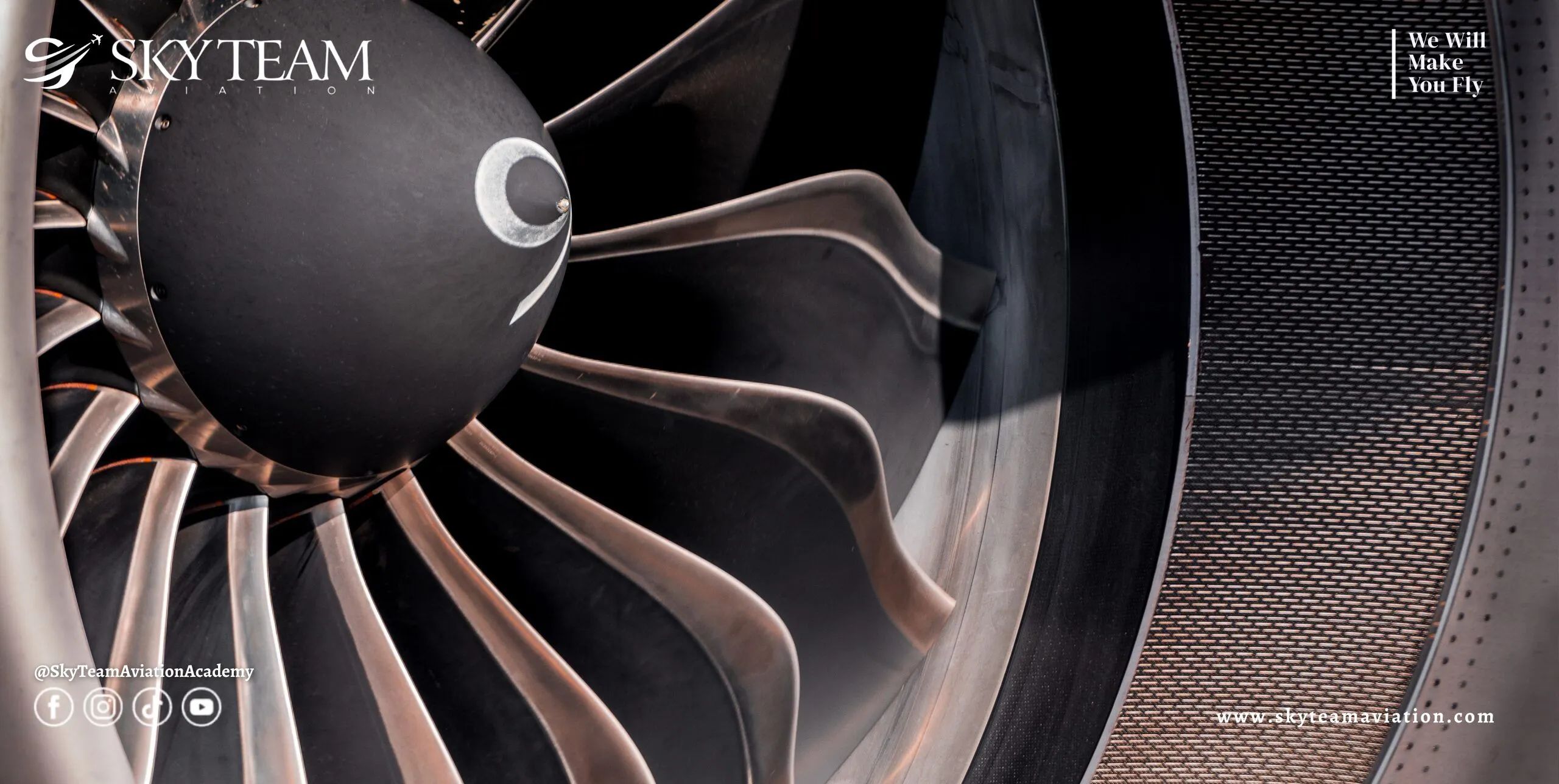
Check the engine area before considering power or takeoff. The point isn’t to perform maintenance, but to verify the engine compartment and components look normal, secure, and free of warning signs.
Pilots usually examine for damage, fluid leaks, loose panels, poor cowling, and anything suggesting improper engine installation. This makes the engine check a major part of the ground review.
What the pilot is trying to confirm
- The cowling and visible components look secure.
- There are no obvious leaks or loose parts.
- Nothing looks abnormal for that aircraft’s normal condition.
Electrical system: Do the basics work as they should?
A cockpit check confirms the electrical system operates as expected. Pilots check required systems to ensure nothing obvious is missing, dead, or malfunctioning.
Pilots aren’t just checking if the aircraft can start, but if key instruments and functions behave normally. This is important when flights rely more on instruments, especially in poor visibility.
Basic electrical checks often include
- Normal power-up behavior
- Expected indications from key instruments or screens
- No abnormal warnings that require attention before departure
Navigation system: Is it ready for the flight you are about to take?
Navigation equipment should not be treated as something the pilot worries about after takeoff. If the aircraft depends on a navigation database, a radio navigation setup, or a receiver function, those should be checked before departure, not discovered en route.
This is especially important because pilots can become overconfident with navigation equipment. A system may power on but still be outdated, poorly configured, or not functioning properly. That is one reason a good cockpit setup on the ground saves workload later. If the flight will involve more formal approach guidance, understanding systems such as the instrument landing system becomes part of building stronger aviation awareness, even if the student pilot is not using it independently yet.
What the pilot wants to confirm here
- The system powers up normally.
- The database or relevant information is current where required.
- The equipment is actually receiving and behaving as expected.
What a full walk-around is really doing
A full walk-around is not only about “marking boxes.” It is about building a picture of the aeroplane before the flight. The pilot wants to know whether the aircraft looks normal, whether anything has changed, and whether there are warning signs that need to be addressed before engine start.
This is one reason new pilots should slow down and make the inspection deliberate. Rushing makes the aircraft familiar, but not safer. A proper ground check makes the pilot more effective because it forces attention on the machine before the flight workload begins.
Why does this issue occur so much in private pilot training
Private pilot training is where these habits are built. A student pilot who learns to inspect the aeroplane properly early is much more likely to stay disciplined later. That is also why a Private Pilot License (PPL) is not only about learning to steer an aircraft in the air. It is also about learning how to prepare, judge, and take responsibility on the ground.
That responsibility starts before the propeller turns. A pilot who skips the basics on the ground is already behind before the flight begins.
Conclusion
A pre-departure inspection is one of the most effective safety habits in aviation. It helps the pilot catch visible problems before they become airborne problems, and it builds the kind of discipline that good flying depends on. Cracks, leaks, tyres, engine condition, electrical checks, and navigation readiness are not small details. They are part of the decision on whether the aircraft should fly at all.
A careful check on the ground does not guarantee a perfect flight, but it does remove unnecessary risk. That is why good pilots do not treat the walk-around as routine background work. They treat it as the first real decision of the flight.