What Are Aerodromes?
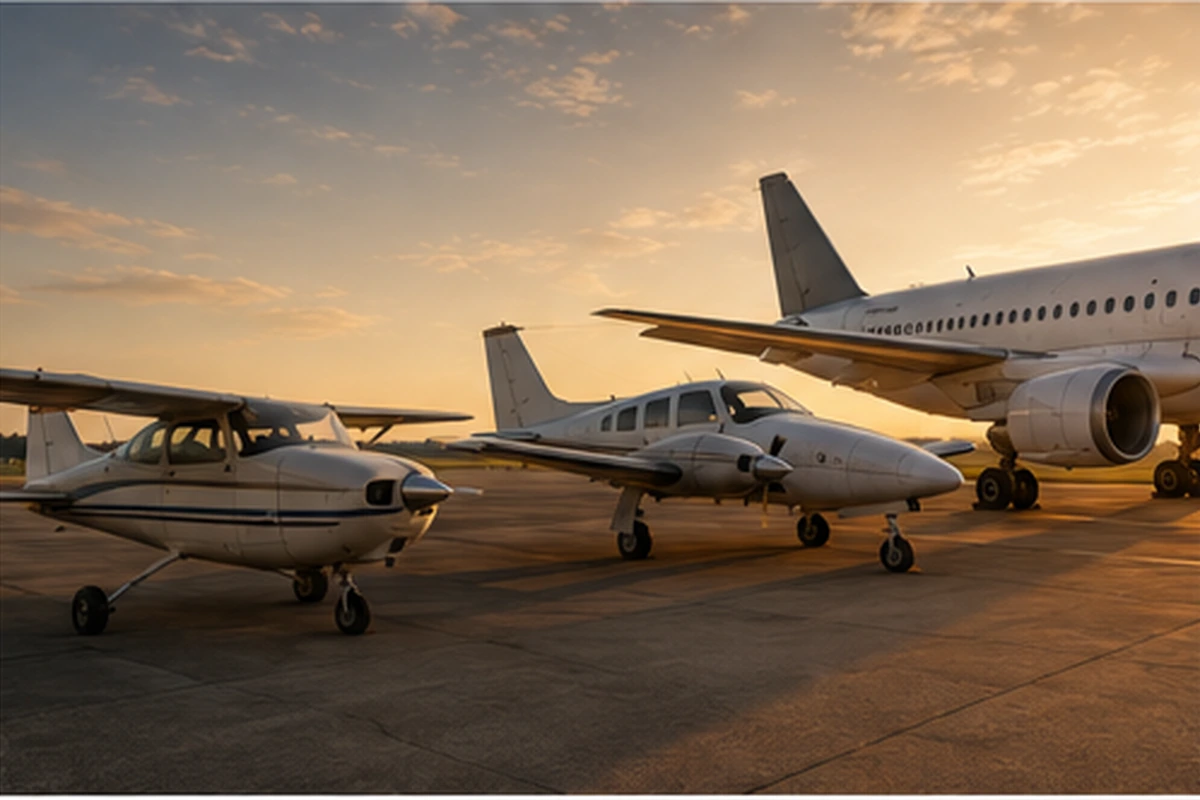
An aerodrome is any defined area used for the arrival, departure, and surface movement of aircraft. That includes much more than large commercial airports. Under ICAO terminology, an aerodrome can be a small airfield, a military base, a heliport, or even a water operating area for seaplanes, as long as it is intended for aircraft operations. ICAO’s official glossary defines an aerodrome as “a defined area on land or water (including any buildings, installations and equipment) intended to be used either wholly or in part for the arrival, departure and surface movement of aircraft.”
That definition matters because many people use “airport” and “aerodrome” as if they mean exactly the same thing. They do not. An airport is usually a more developed aerodrome with broader facilities, certification, and commercial infrastructure. EASA puts it simply: aerodromes include airfields, heliports, airports, and military airbases.
Why is the word ” aerodrome ” broader than “airport”
The easiest way to understand the difference is this: all airports are aerodromes, but not all aerodromes are airports. An airport usually suggests passenger handling, more formal infrastructure, and regulatory status tied to public or commercial use. An aerodrome is the wider category.
That broader meaning is useful because aviation does not happen only at major terminals. Small training fields, remote strips, helicopter-only facilities, and military bases are all part of the aerodrome world. EASA’s aerodrome pages show that the term covers the full operating environment used for aircraft movement, not just commercial passenger airports.
A simple comparison
|
Term |
What it usually means |
|---|---|
|
Aerodrome |
Any defined area used for aircraft arrival, departure, and surface movement |
|
Airport |
A more developed aerodrome, usually with broader facilities and commercial or public-use functions |
|
Heliport |
An aerodrome designed for helicopters |
|
Water aerodrome/seaplane base |
An aerodrome using water for takeoff and landing |
That distinction helps because once you understand the category, the rest of the aviation infrastructure starts making more sense.
What an aerodrome actually consists of
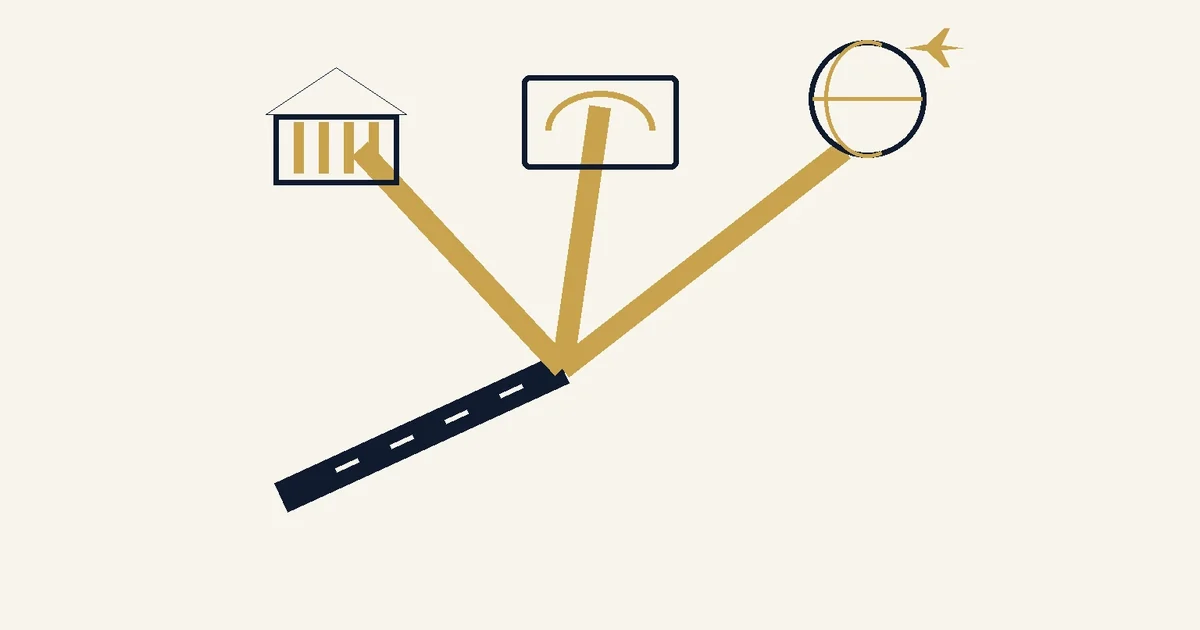
An aerodrome is not only a runway. It is the wider operating area and supporting environment that make aircraft movement possible. Depending on its size and purpose, it may include runways, taxiways, aprons, helipads, hangars, fueling facilities, control towers, rescue services, lighting systems, navigation support, and operating buildings.
This is one reason the term is so useful in aviation. It does not lock the discussion into a single type of facility. A small rural strip and a major international airport are very different in complexity, but both still fall under the wider idea of an aerodrome. EASA’s aerodrome framework is built around design, certification, and operational safety for that full environment rather than only one building or one runway.
Common features found at many aerodromes
-
Landing and takeoff area
-
Surface movement area for taxiing
-
Buildings, installations, or equipment supporting operations
-
Safety and operational controls that match the type of traffic using it
That is also why the surrounding infrastructure matters so much in aviation. If you want to better understand the aircraft side of that environment, aircraft structure provides the structural context for the machines that use these facilities.
What are the main types of aerodromes?
Not every aerodrome serves the same purpose. Some are designed for commercial traffic, some for training or remote access, some for military operations, and some for aircraft that do not even use a conventional runway.
Civil airport
A civil airport is the type most people think of first. It is an aerodrome used for civil aviation and often includes passenger services, baggage systems, security, maintenance, apron space, and air traffic support. Large civil airports can also include customs, border control, and airline-specific facilities.
These aerodromes are usually the most complex because they handle the widest range of movement, from passenger departures to cargo flow and ground coordination. That complexity is one reason modern airports are so tightly regulated and structured.
Military air base
A military air base is an aerodrome built around defence and military aviation needs. It may include more specialised support for aircraft, crew, mission operations, storage, and security than a civil field would normally require.
Even though the core idea is still arrival, departure, and surface movement, the operational purpose is very different. That is why the same broad aerodrome concept can apply across very different aviation environments.
Airstrip
An airstrip is a simpler kind of aerodrome, usually with much less infrastructure. It may consist mainly of a runway or landing surface, with limited facilities beyond that. Some are remote, private, or used for special operations.
Airstrips matter because they show how broad the term aerodrome really is. You do not need a giant terminal to have an aerodrome. You need a designated area for aircraft operations.
Water aerodrome
A water aerodrome is an operating area on water used by seaplanes or amphibious aircraft. ICAO’s land-or-water definition allows for this directly, which is why seaplane bases fall naturally under aerodrome terminology.
These facilities may have docks, shoreline access, and supporting land-side buildings, even though the actual takeoff and landing surface is water.
Where do heliports fit in?
A heliport is also part of the wider aerodrome family, but it is built for rotorcraft rather than conventional runway aircraft. That difference matters because helicopters do not need the same long takeoff and landing surfaces that fixed-wing aircraft do.
This is another reason the broader term aerodrome is useful. It lets aviation talk about different operating facilities without forcing everything into the “airport” label. EASA’s public explanation of aerodromes explicitly includes heliports in that wider group.
What makes an international airport different?
An international airport is still an aerodrome, but it adds layers of infrastructure and regulation for cross-border operations. That usually includes customs, immigration, border control, and more complex airline and passenger handling systems.
This matters because it shows how aerodromes scale. The basic concept stays the same, but the complexity rises dramatically depending on the mission. A tiny training strip and a major international hub both belong under the aerodrome umbrella, but they operate at completely different levels.
That wider operational environment also ties directly to the aircraft using it. A reader looking at the propulsion side of modern airport operations can naturally move into aircraft engines to understand the machines these aerodromes are built around.
Why aerodrome safety matters beyond the runway
Aerodrome safety is not just about the landing surface itself. It also includes obstacle protection, movement areas, safeguarding, and the aircraft’s operational environment. The UK Civil Aviation Authority explains that aerodrome safeguarding protects aircraft manoeuvring on the ground, taking off, landing, or flying in the vicinity of the aerodrome.
That is important because an aerodrome is a controlled operating space, not just a piece of land where aeroplanes happen to appear. Safety depends on protecting that operating space from obstacles, conflicts, and poor coordination.
Why this matters to future pilots
A student pilot does not need to wait until airline level to care about aerodromes. From the beginning of training, pilots are using aerodromes in practical terms: reading runways, understanding traffic flow, recognizing facility types, and adjusting to different operating environments.
As training becomes more advanced, the importance grows. A pilot moving toward an Airline Transport Pilot License (ATPL) is no longer just using aerodromes as places to land, but as part of a larger operational system involving routes, procedures, infrastructure, and regulation.
Conclusion
Aerodromes are a wider category of places where aircraft operations happen. They include airports, airstrips, heliports, military bases, and water operating areas. ICAO’s definition makes that broad scope clear, and EASA’s aerodrome framework shows just how much aviation activity falls under the term.
The simplest way to remember it is this: an airport is a type of aerodrome, but an aerodrome is the bigger idea. Once you understand that, the whole map of aviation infrastructure becomes easier to read.