Introduction:
A weather guide for a pilot revolves around understanding weather patterns and their impact on flight operations, which is crucial for safe and efficient flying. In this blog post, we will delve into aviation weather, equipping pilots with the essential knowledge to navigate various weather conditions. From thunderstorms to icing, we’ll explore the key aspects of weather that every pilot should be familiar with. Let’s embark on this enlightening journey through the clouds!
Weather Guide For Beginner Pilots
Importance of Weather Briefings
Those decisions are even more effective when pilots understand how weather affects the readings and use of core flight instruments during different phases of flight.
Before taking off, it’s vital for pilots to gather accurate and up-to-date weather information. This is done in a briefing and is basically a weather guide for the pilots. We’ll discuss the significance of weather briefings, including how to interpret meteorological reports, forecasts, and other essential resources. By staying informed, pilots can make informed decisions that prioritise safety.
Understanding Atmospheric Pressure Systems
Having a weather guide, or someone to walk you through atmospheric pressure systems like high- and low-pressure zones that strongly influence weather patterns, isn’t something that’s simply going to be handed to you. But we’ll explain these systems in simple terms, highlighting their effects on wind patterns, cloud formation, and precipitation. Understanding pressure systems enables pilots to anticipate and prepare for weather changes.
Navigating Convective Weather
A Weather Guide is essential here, as Convective weather, including thunderstorms and cumulonimbus clouds, poses unique challenges for pilots. We’ll explore the formation, characteristics, and potential hazards associated with convective weather. Additionally, we’ll provide strategies for avoiding or safely navigating around convective systems to minimise turbulence and other risks.
Pilots sometimes rely on 3rd party softwares like flight rader that helps them understand the places they will navigate through.
Dealing with Icing Conditions
Icing conditions can severely affect aircraft performance and safety. We’ll outline different types of icing, such as clear ice and rime ice, and discuss their formation mechanisms. Crucially, we’ll share tips on recognising and managing icing conditions, including proper anti-icing and de-icing procedures.
When operating in icing conditions, poor visibility, or unstable weather, pilots often depend on the skills developed during instrument rating training, where they learn to control the aircraft accurately using instruments and sound procedural decision-making.”
Crosswinds and Wind Shear
Crosswinds and wind shear can make landings and takeoffs challenging. We’ll explain the concept of crosswinds, their effects on aircraft handling, and techniques for safely landing during crosswind situations. Additionally, we’ll shed light on wind shear, its causes, and how pilots can respond to this abrupt change in wind speed and direction.
Fog, Visibility, and Instrument Approaches:
In these conditions, a strong understanding of flight instruments becomes essential, since pilots must depend on cockpit readings rather than outside visual references to maintain control, track headings, and complete safe approaches.
Fog and low visibility conditions require pilots to rely on instruments for navigation and approach procedures. We’ll discuss different types of fog and the impact of reduced visibility on flight operations. Furthermore, we’ll delve into instrument approaches, including precision and non-precision approaches, to aid pilots in safely landing in limited-visibility situations.
Utilising Weather Technology and Resources
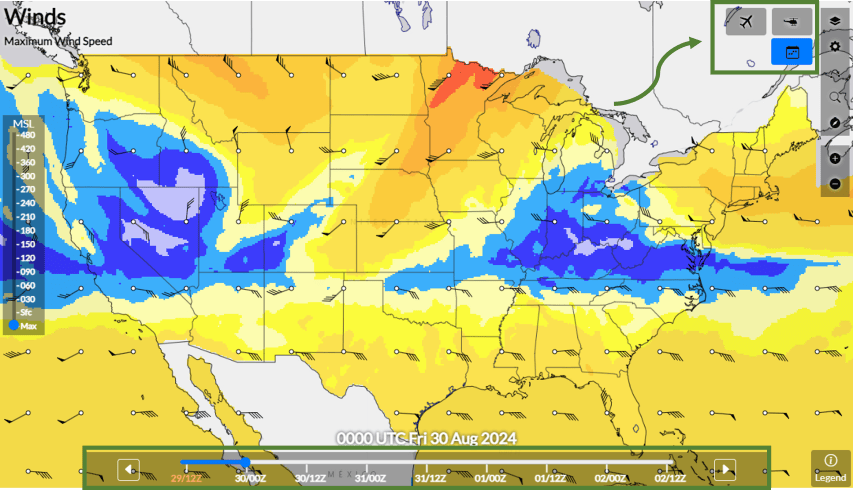
Technology has revolutionised weather forecasting and analysis. We’ll introduce pilots to a range of weather-related tools, apps, and websites that provide real-time weather updates, radar imagery, and other valuable data. Leveraging these resources equips pilots with the most current and accurate weather information.
Conclusion:
Weather plays a significant role in aviation, influencing flight safety and efficiency. By understanding weather patterns, atmospheric pressure systems, convective weather, icing conditions, crosswinds, and visibility challenges, pilots can make informed decisions to ensure safe and smooth flights. Remember to stay updated on the latest weather information, consult official meteorological sources, and prioritize safety above all else.