Communication in aviation is essential. It can be the difference between a successful flight and a fatal disaster. Communication plays a critical role in ensuring the safety of passengers, crew, and the aircraft, and must be conducted with professionalism and precision.
Strong communication is also a foundation of long-term success in aviation, especially for students just entering the field. For anyone planning to build a professional path in the industry, kickstart your aviation career is a useful next read because it shows how core skills like discipline, awareness, and communication support early development.
Communication in aviation Between Pilots and ATC
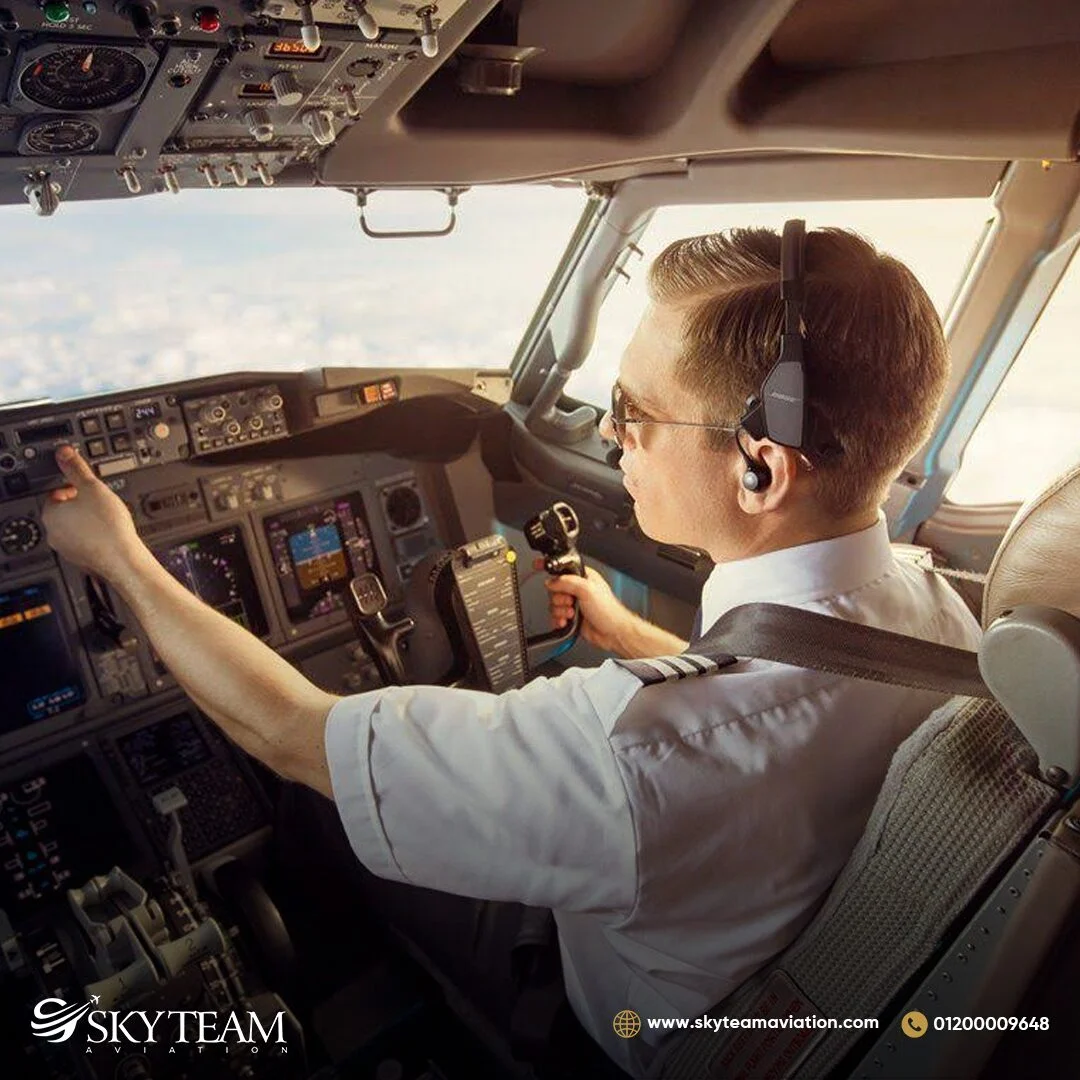
Every level of communication involves various considerations, from pre-flight preparation to the cockpit’s physical environment. Pre-flight communication involves tasks such as briefing crew members, checking aircraft systems, and obtaining all relevant weather information. In the cockpit, clear communication between the pilot and air traffic control (ATC) is essential for maintaining control of the aircraft in flight.
The Role of Crew Communication in Flight Safety
During flight operations, communication between the pilot and ATC must be efficient, accurate, and precise in order to ensure air traffic safety. ATC will provide information such as flight route clearances, weather updates, and other pertinent data. The pilot must accurately interpret that data to adjust the flight plan accordingly. In the event of an emergency, it is essential that the pilot and ATC communicate quickly and effectively to ensure a safe resolution.
Clear radio work and accurate decision-making are also qualities that airlines expect from future flight crews. In practice, communication is not just a safety skill but also a professional standard, which is why it helps to understand what airlines look for in a pilot when evaluating competence, judgment, and cockpit professionalism
Furthermore, it is important for pilots to maintain good communication with the cabin crew and other ancillary staff on board. The cabin crew supports pilots in managing the aircraft during emergencies and in keeping passengers informed. Cabin crew can alert pilots to potential physical hazards and emergency situations.
Communication becomes even more important when pilots move into training environments where they are responsible for guiding and correcting others in real time. That is one reason why an Instructor Rating is such a valuable step for pilots who want to develop stronger teaching, briefing, and cockpit communication skills.
Communication is vital in aviation. Every step of the flight process must be regulated with absolute clarity and accuracy. Pilots must demonstrate professionalism and expertise in their communication to ensure a safe and successful flight experience.
This emphasis on standardised language is reflected across the wider industry as well. The FAA Pilot/Controller Glossary was created to promote a common understanding of terms used in pilot and controller communications, and FAA guidance also notes that good phraseology enhances safety and reflects professional flying standards.