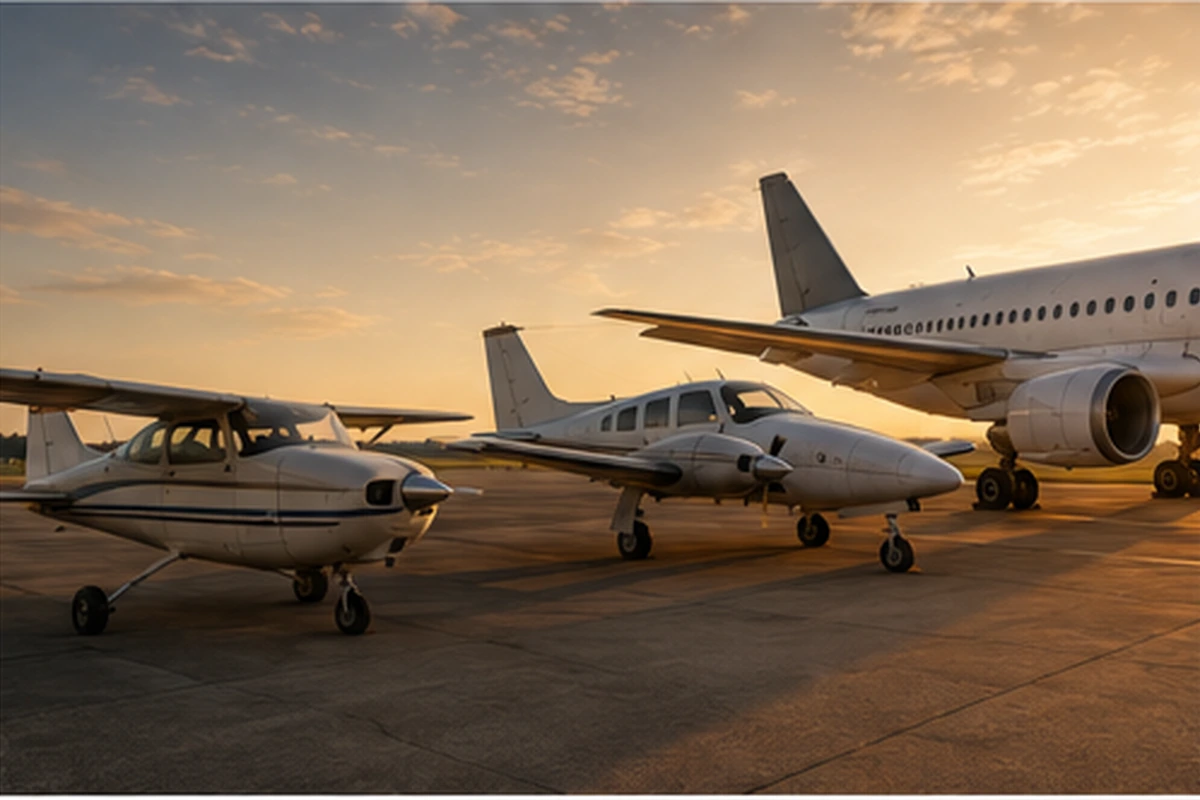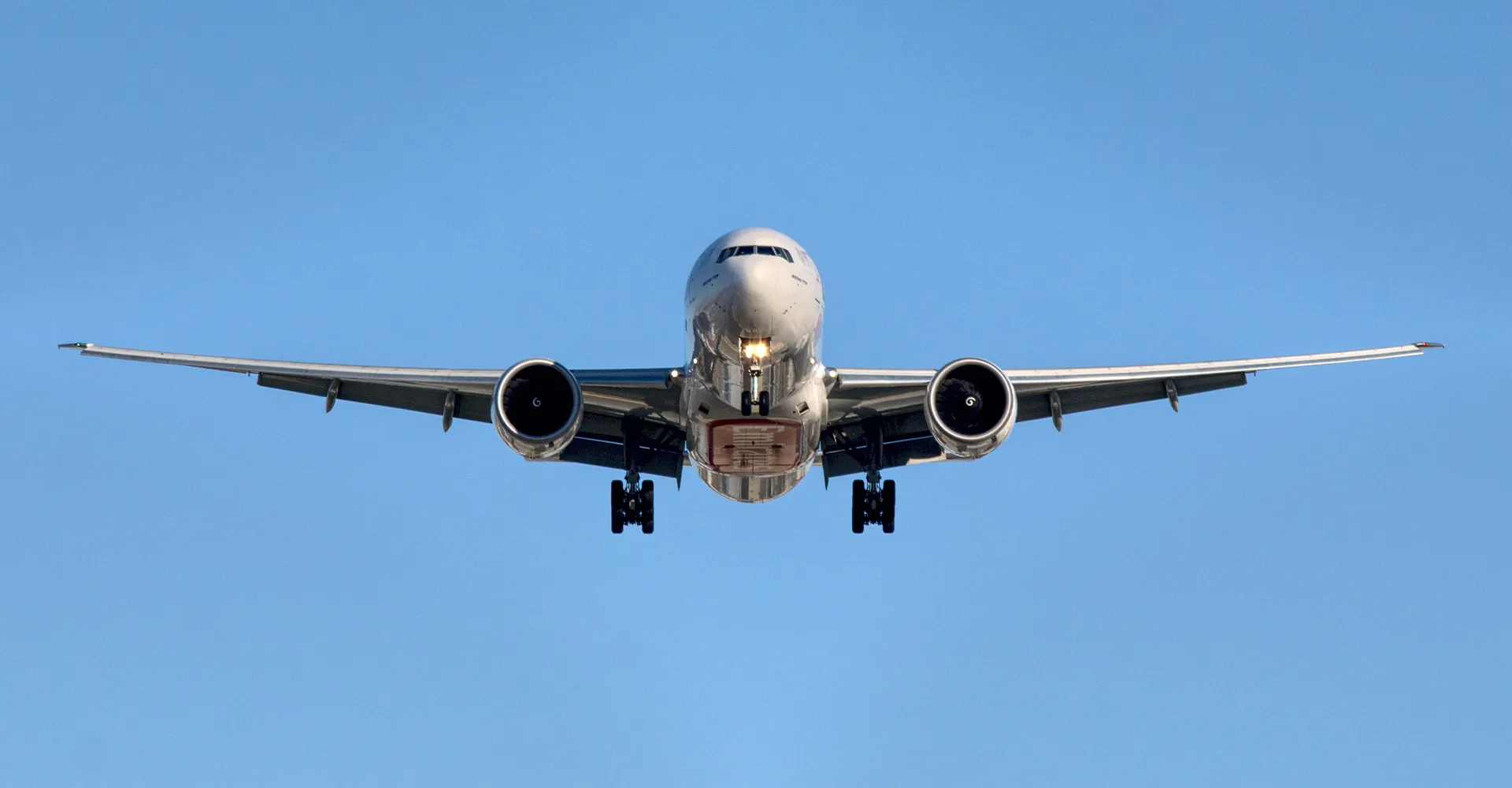
The aviation industry is on the cusp of some monumental changes. Advances in automation, communication, and navigation technologies have opened up a world of possibilities for the future of aviation. As the industry continues to expand and evolve, safety will remain a top priority. Airlines are already using technology to ensure safety standards are met and maintained, and this trend is set to grow as the industry continues to explore new ways to innovate.
Future of Aviation and Predictive Maintenance
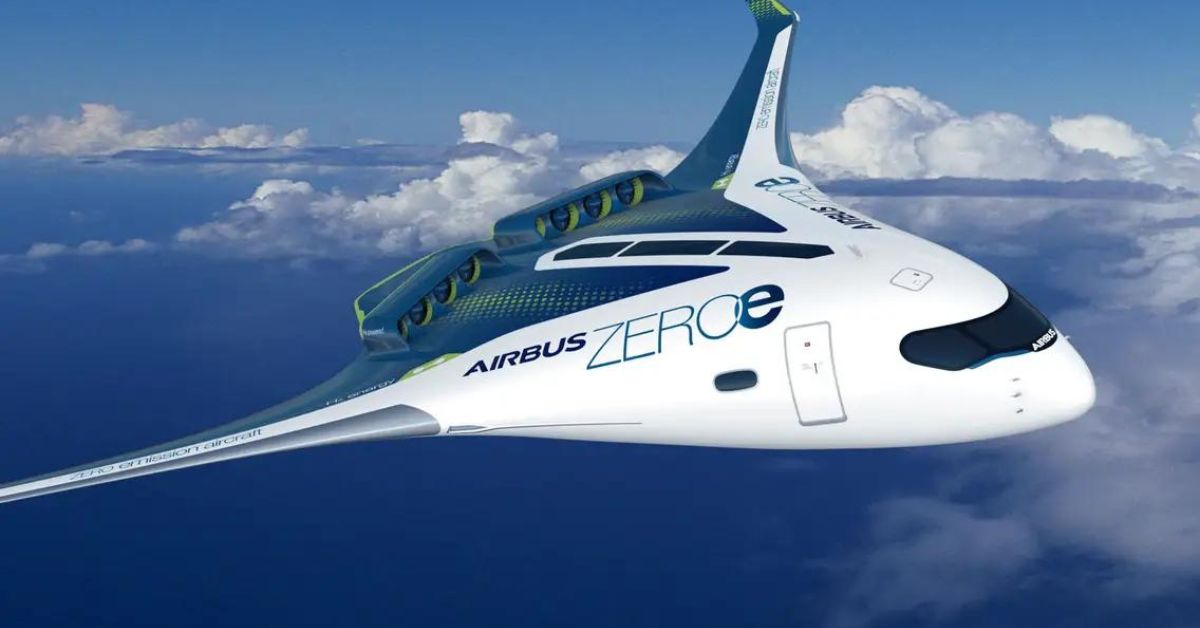
These emerging technologies will also help to reduce aircraft noise, increase airline efficiency, and improve passenger experiences. Automation is becoming an increasingly important tool in the aviation industry. Autopilot systems and digital assistants are taking on an ever-increasing role in pilot operations. These systems use advanced algorithms and machine learning to take over mundane tasks, freeing pilots to focus on more complex, safety-critical decision-making. Meanwhile, automation speeds up flight operations, reducing the risk associated with manual errors and delays.
A major part of aviation’s future also depends on how aircraft are built to meet performance, safety, and operational demands. To better understand that foundation, readers can explore aircraft structure, which explains the components and design principles that enable modern aircraft to handle these advancements.
Future of Aviation and Global Airspace Systems
The future of aviation also looks set to advance the use of real-time data and analytics for predictive maintenance. The use of sensor technology and big data systems is allowing airlines to gather real-time data on aircraft health and performance, allowing them to better plan maintenance activities and maximise aircraft utilisation.
Communication Advancements
Advancements in communication and connectivity technologies have opened up possibilities for more efficient air traffic control and data sharing. Air traffic controllers are already using these technologies to more accurately track aircraft locations and movements in the airspace. Meanwhile, airlines can now use real-time data analytics and data-sharing services to optimise routes, enhance scheduling, and reduce flight times.
The future of aviation is not only shaped by technology, but also by the international rules and frameworks that keep global air transport aligned. Readers who want to understand the legal and regulatory side of international aviation can also consult the Chicago Convention, which remains a key foundation of global civil aviation.
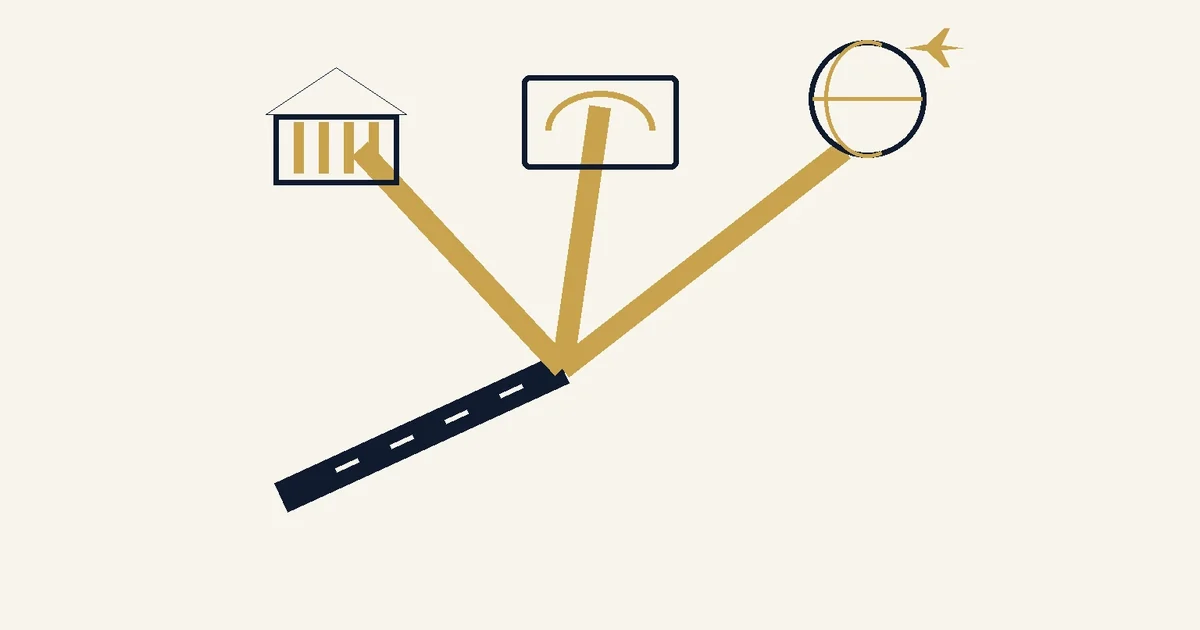
The future of aviation is already being shaped by large-scale modernisation efforts across global airspace systems. For example, the FAA’s NextGen programme focuses on improving communications, navigation, surveillance, automation, and information management to make aviation safer and more efficient.
As the aviation industry looks towards the future, it is clear that technology will play an integral role in improving safety and efficiency. By leveraging emerging technologies, the aviation industry can ensure that safe and efficient air travel remains accessible to all.
How to Futureproof your aviation career?
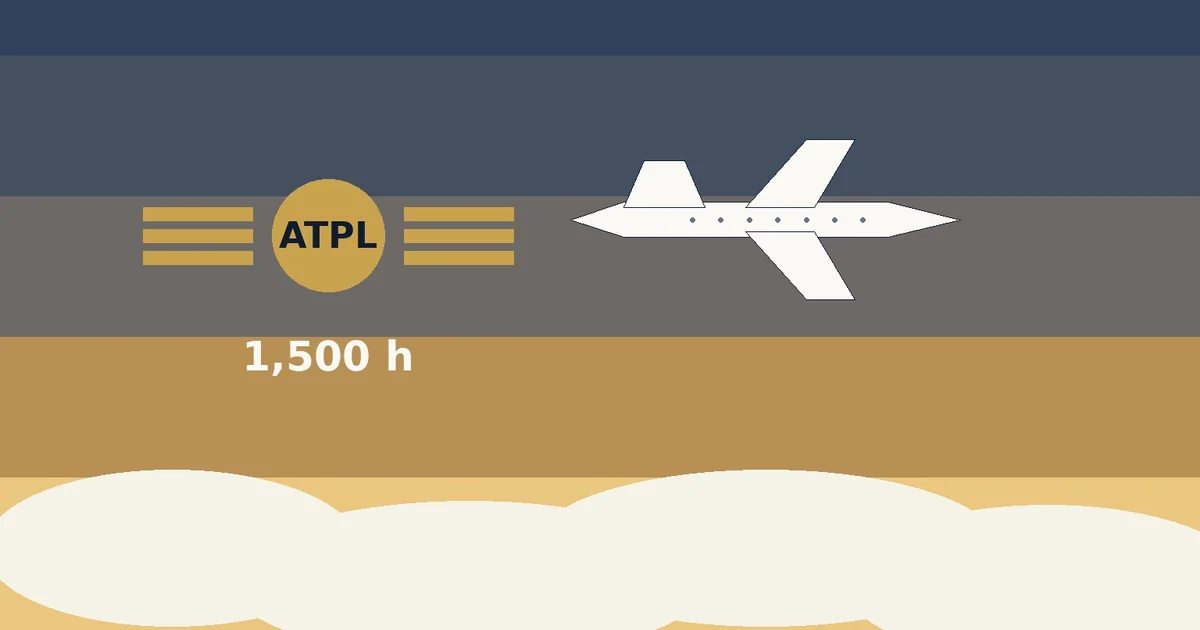
As the future of aviation becomes increasingly dependent on advanced systems, data-driven operations, and high safety standards, pilot training is also becoming more demanding. For aspiring airline pilots, building the knowledge and competence required for commercial aviation often begins with an Airline Transport Pilot License (ATPL), which supports progression toward higher-level professional flying.