Introduction:
A career in aviation appeals to many people because it combines responsibility, skill, and long-term growth in a way that few professions do. For some, the attraction starts with a love of flying. For others, it starts with the idea of building a respected career that offers structure, progression, and a strong sense of purpose.
But the best reasons to consider a career in aviation go beyond excitement or travel alone. The stronger reasons are usually the ones people overlook at first: the professional discipline it builds, the clear progression path, the technical depth of the work, and the fact that aviation remains a global industry that depends on highly trained professionals. Boeing’s 2025 Pilot and Technician Outlook says long-term demand remains strong, projecting a need for 660,000 new pilots globally through 2044, which helps explain why aviation continues to attract ambitious students.
Reason 1: Aviation offers a career path with real progression
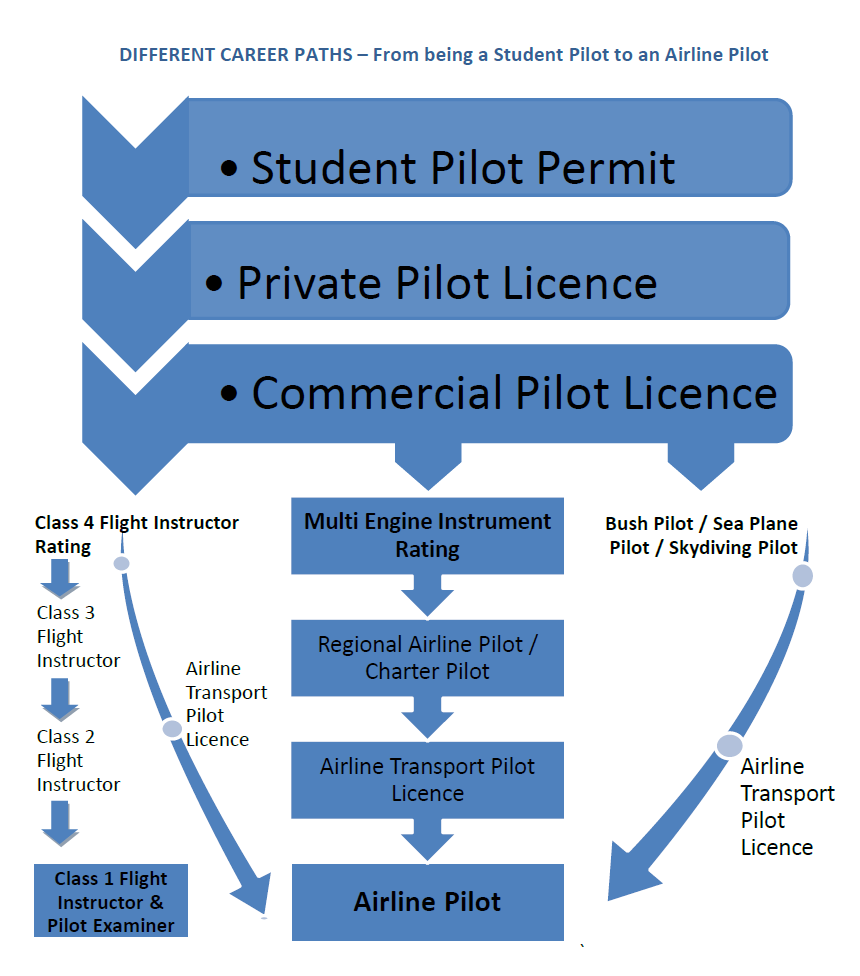
One of the strongest reasons to consider a career in aviation is that it gives people a clear path forward. This is not a profession where growth is vague. A student pilot can move from foundational training into commercial qualification, hour building, advanced ratings, and eventually more senior operational roles.
That kind of structure matters. A lot of careers promise growth without showing what growth actually looks like. Aviation is different. The progression is demanding but visible. That makes it attractive for people who want a career built on milestones, not guesswork.
If someone is still at the beginning and trying to understand how to approach the profession properly, how to kickstart your aviation career: a step-by-step guide for aspiring pilots fits naturally here because the earliest choices often shape the rest of the journey.
It rewards long-term commitment
Aviation is not a shortcut career. That is exactly why it can be valuable. It rewards consistency, discipline, and the ability to keep improving over time. For the right person, that makes the profession more meaningful, not less.
It gives people a stronger sense of direction
A pilot in training usually knows what the next step is: another licence, more hours, better procedures, more responsibility. That sense of direction is something many careers lack.
Reason 2: The work develops discipline, judgement, and professionalism
Another real reason to consider a career in aviation is the kind of person the profession pushes you to become. Aviation demands preparation, precision, communication, and calm decision-making. Those are not just pilot skills. They are professional habits that carry over into the rest of life and work.
This is part of the value people often miss. They focus on aircraft and travel, but not on what the training builds in the individual. Aviation tends to shape people into more structured, more accountable professionals because the environment leaves little room for careless thinking.
You learn to think under pressure
Flying is not just a technical task. It is a decision-making environment. Pilots are expected to process information, manage workload, and maintain safety even when conditions change quickly.
You become more procedural and detail-oriented
Aviation teaches people to respect process. Checklists, planning, briefings, and standard procedures are not optional extras. Over time, that mindset becomes part of the pilot’s professional identity.
That is one reason why being a successful pilot naturally belongs in this topic. Success in aviation is rarely about talent alone. It is usually about habits, discipline, and how a pilot carries themselves over time.
Reason 3: Aviation combines technical skill with real-world responsibility

Many careers are either highly technical or highly operational. Aviation is both. Pilots are expected to understand aircraft systems, weather, navigation, communication, and procedures, while also carrying real responsibility for safety and flight execution.
That combination is a major reason the profession remains attractive. It gives people technical depth without trapping them in abstract theory. The work has direct consequences, which makes it more meaningful for people who want responsibility rather than routine.
A job that has a real purpose
Pilots are not just completing office tasks. They are part of an operation that moves people, connects places, and depends on professional execution. That sense of purpose matters more than most career pages admit.
The learning stays relevant
Aviation is one of those fields where learning is directly connected to performance. Better knowledge leads to better judgement, better communication, and better safety outcomes. That makes the training feel practical rather than empty.
Reason 4: Aviation is bigger than the aircraft itself
Another reason to consider a career in aviation is that the field is broader than many people think. When most people hear “aviation,” they imagine only the cockpit. But aviation encompasses systems, operations, regulation, training environments, and international standards, making it a much larger world than it appears from the outside.
That broader picture matters because it shows why aviation stays relevant and why professional opportunities can grow over time. ICAO’s Next Generation of Aviation Professionals strategy states that the smooth functioning of the global aviation system relies heavily on a highly trained and skilled workforce, reinforcing the idea that aviation careers sit within a broader long-term industry need, not just individual ambition.
It is a global industry
Aviation connects countries, regions, and economies. That makes it fundamentally different from careers that remain boxed into a single market or office system.
Evolution
Technology, training methods, regulation, and operational practices continue to develop. That means aviation is not static. For people who want a career that continues to change and improve, that can be a real advantage.
This is also why reasons to consider a career in aviation should not be reduced to travel alone. The bigger draw is that aviation is a serious global profession with long-term relevance.
Reason 5: Becoming a pilot can lead to a respected and rewarding career
The final reason is the most direct one: for the right person, becoming a pilot can lead to a respected profession with strong long-term value. The career is demanding, but that is also part of why it is respected. Pilots are trusted with safety, expected to meet high standards, and required to maintain their competence over time.
That combination of responsibility and progression is why so many people continue to pursue the field despite the effort it takes to enter it.
It is a profession people respect
Not every career carries the same level of public trust and visible responsibility. Aviation does. That matters for people who want their work to carry real weight.
It creates a foundation for commercial flying
For aspiring professional pilots, proper training is where that path becomes real. A Commercial Pilot License (CPL) – 200 H is one of the major steps that turns an interest in aviation into a serious professional direction.
What people often miss before choosing aviation
Many people choose aviation because it looks exciting. That part is understandable, but it is not enough on its own. The stronger reasons to consider a career in aviation are usually deeper than that. Aviation offers progression, responsibility, professional discipline, technical development, and a path inside a global industry that still needs skilled people.
That is the real value of the profession. It is not only about flying. It is about becoming someone capable of operating in a demanding environment where standards matter and growth has to be earned.
Conclusion
The best reasons to consider a career in aviation are not the obvious clichés alone. Yes, aviation can offer travel and excitement. But the stronger reasons are that it gives people a clear progression path, builds discipline and judgement, combines technical skill with real responsibility, connects them to a global industry, and can lead to a respected professional future.
For someone who wants more than a routine job, aviation can be a serious and rewarding choice. The path is demanding, but that is exactly what gives it value.