Introduction:
The Future of aviation next decade has evolved drastically over the past years, and the pace of development only seems to be accelerating. As we look to the next decade, the commercial aviation industry is preparing for some exciting changes that will transform how we fly. In the next decade, passengers can expect to see improvements in safety, sustainability, convenience, and affordability.
How will the future of aviation next decade look?
First and foremost, safety is the top priority in aviation, and several improvements will be implemented over the next decade. Aircraft designers are incorporating collision-avoidance systems and augmented-reality displays that enable pilots to better navigate adverse weather and complex terrain. Additionally, aviation companies are investing in unmanned aircraft systems (UAS), which enable remote monitoring of aircraft in real time. These UAS will provide a layer of redundancy in aircraft monitoring and help reduce human fatigue or error.
These developments also depend on how well aircraft are designed to handle structural stress, operational loads, and changing safety demands. To understand that side of aviation progress more clearly, it is worth exploring aircraft structure and how its physical design supports safer, more efficient flight.
Will Aviation Next Decade be the same?
Furthermore, sustainability is a key focus of airlines in the wake of climate change and increased air traffic. A major shift predicted over the next decade is the adoption of alternative fuels. Airlines are already making great strides towards reducing their operational carbon footprint, and this trend is only predicted to continue. Additionally, airlines will be investing in new technologies such as electric aircraft or fuel cells that enable efficient flights over short and medium distances. The combination of these advancements will help to reduce emissions and create a more sustainable aviation industry.
Sustainability is only one part of the wider transformation taking place across aviation. Broader changes in technology, passenger expectations, and airline operations are also shaping the industry, which is why readers may also find value in exploring the future of aviation from a wider industry perspective.
More Convenient or More problematic?
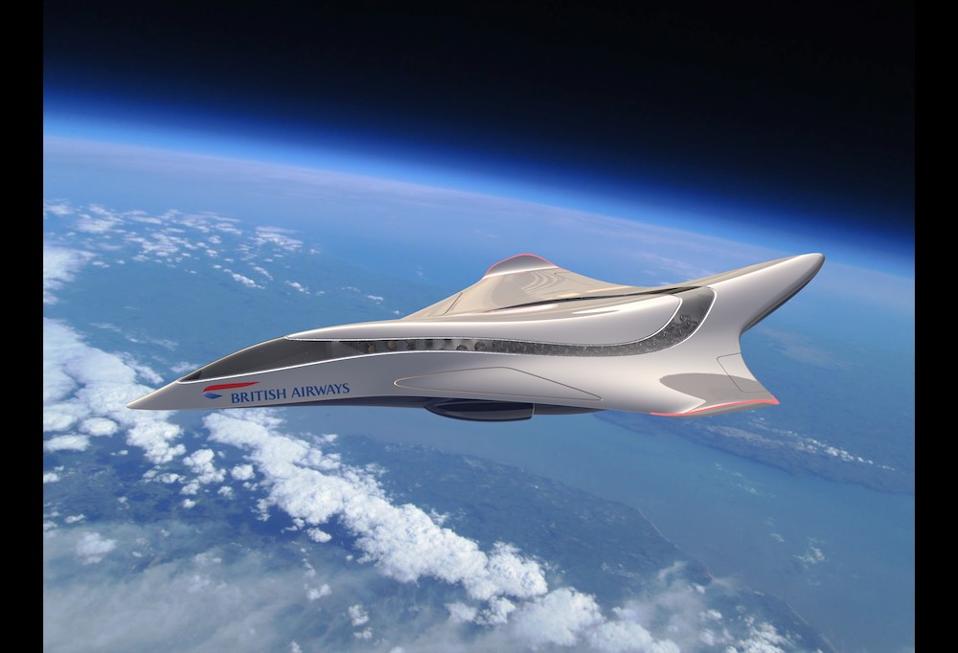
Convenience has also become a major concern for airlines, as passengers value a smooth and enjoyable experience. In the next decade, airlines are expected to invest in digital technologies such as phone-based check-in and AI-enabled chatbots for customer service. These technologies are expected to significantly reduce wait times at the airport and provide a more comfortable travel experience for passengers. Additionally, airlines are beginning to explore the possibility of hypersonic travel, which would drastically reduce travel time between destinations.
As aircraft and airline systems become more advanced, pilots are expected to manage more specialised procedures and aircraft-specific operations. For aspiring commercial pilots, this is where advanced training pathways, such as an A320 or B737 NG type rating, become especially relevant as they move toward airline-level flying.
Will aviation remain affordable in the next decade?
One of the biggest questions asked, will aviation next decade be affordable? Well, Its affordability is critical for airlines as they strive to reach larger customer bases. To reduce ticket prices, airlines will continue to invest in more efficient planes with better fuel economy and use schemes such as dynamic pricing to maximise profits. Additionally, “basic economy” tickets will become increasingly common as passengers embrace the cost savings of forgoing certain amenities, such as assigned seating or baggage.
Industry research is also moving in the same direction, with organisations such as NASA studying ultra-efficient aviation technologies to reduce fuel consumption and improve long-term sustainability and operational efficiency. This adds real-world context to where commercial aviation may be heading over the next decade.
Overall, the future of aviation looks very bright in the next decade. With advances in safety, sustainability, convenience, and affordability, passengers can expect a smoother and more enjoyable travelling experience. As we look ahead to this new decade of flying, it’s clear that there are many amazing changes on the horizon.