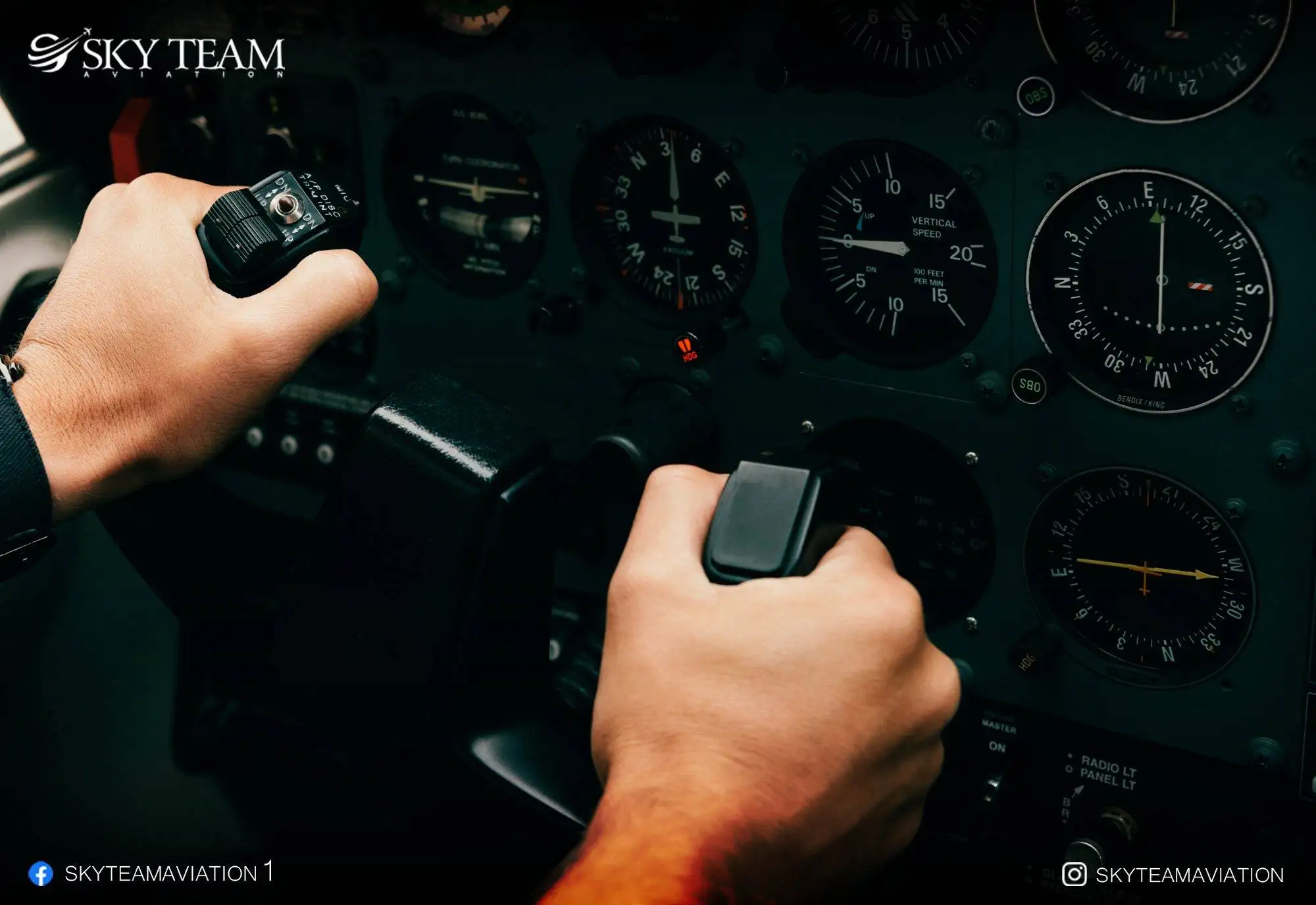
Embarking on your first solo flight as a pilot is a milestone that’s both thrilling and nerve-wracking. The mixture of excitement and apprehension is entirely normal, and many pilots before you have faced the same emotions. In this blog post, we’ll dive into the journey of kickstarting your career in aviation and taking on those first solo flight jitters and stepping confidently into the cockpit.
How to overcome first solo flight jitters
Embracing the Butterflies

It’s okay to feel nervous! Acknowledge your feelings and understand that they’re a natural part of the process. Sharing anecdotes from experienced pilots who vividly remember their own first solo flights can help newcomers relate and feel less alone in their apprehension.
You can even read inspiring stories from pilots who talk about their first solo flight.
This skill is essential for aspiring pilots.
Preparation is Key
Thorough preparation before a first solo flight is one of the most important parts of a pilot’s development. Before reaching this stage, the student goes through repeated training, practical flight sessions, and close guidance from instructors to build both skill and confidence.
Each lesson, correction, and practice run is designed to strengthen the pilot’s ability to stay calm, make sound decisions, and handle the aircraft properly.
By the time the solo flight arrives, that preparation is in place to ensure the student is not simply excited for the moment but genuinely ready for it.
Pre-Solo Confidence Boosters
Building confidence before a first solo flight often comes down to the small habits a student pilot follows in the days and hours leading up to it. Reviewing flight plans carefully, going over emergency procedures, visualising each stage of the flight, and staying consistent with checklist practice can all make a big difference.
These routines help the pilot feel more familiar with what to expect and more prepared to respond calmly if something feels unfamiliar. The more organised and mentally prepared the student is before takeoff, the more confident and in control they are likely to feel in the air.
Trusting Your Training
Explore how your training at flight school during your private pilot license period, especially at a reputable academy like Sky Team Academy, equips you to handle this moment. Discuss the rigorous training regimen, flight simulations, and guidance from experienced instructors that contribute to your ability to fly solo.
Meeting the Challenge
Taking off alone for the first time is one of the most exciting moments in a pilot’s journey. It brings a strong sense of achievement, independence, and focus, as the student steps into the aircraft knowing that this time the responsibility is theirs.
At the same time, a solo flight also presents important challenges, as the pilot must make decisions calmly, remain aware of every stage of the flight, and apply their training without hesitation. This is where preparation truly shows its value, turning nerves into concentration and practice into confidence.
Clear communication with air traffic control becomes especially important during this stage, as it helps the pilot stay organised, informed, and safe throughout the flight. Following training closely is just as essential because it gives the student a reliable foundation to handle unexpected situations with greater control.
When a pilot trusts what they have learned and stays disciplined in the air, that first solo flight becomes more than just a milestone; it becomes proof that they are ready to take the next step in their aviation journey.
Celebrating the Achievement
Reflect on the overwhelming sense of accomplishment that comes with successfully completing your first solo flight. Share personal experiences of the relief, pride, and newfound confidence that often follow this achievement.