Piper Twin Comanche PA-30 , Also Known as ”Twinkie”
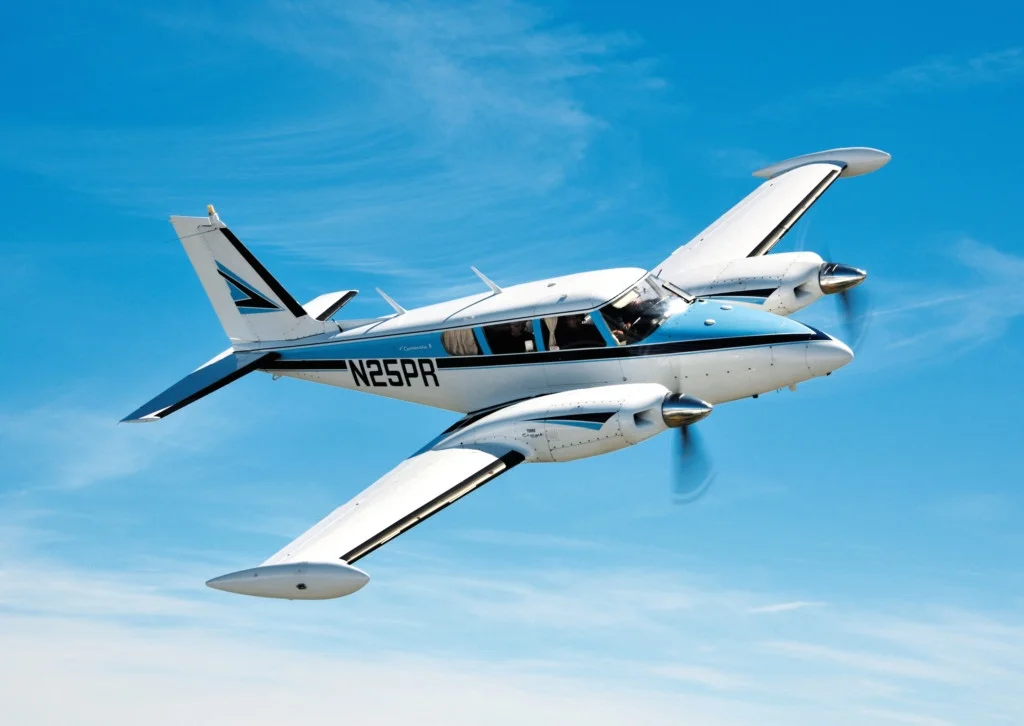
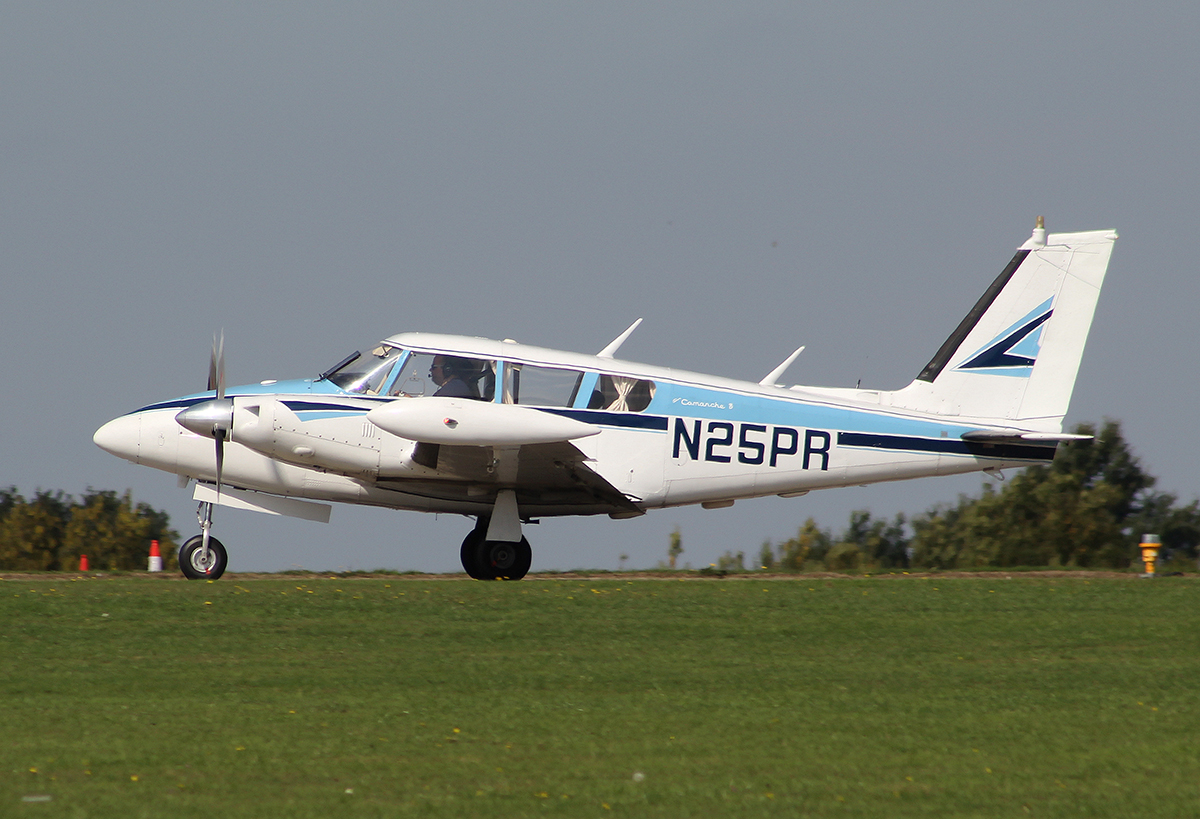
The Piper Twin Comanche PA-30 is a light twin-engine piston aircraft developed from the single-engine Piper Comanche line. It first entered service in the early 1960s and became well known for offering something many pilots wanted: twin-engine capability without the size, fuel burn, and cost of larger twins. It was designed and built by Piper Aircraft, with FAA type approval in 1963, and it went on to become one of the better-known light twins of its era.
What made the PA-30 stand out was not one dramatic feature, but the combination of speed, efficiency, range, and practicality. AOPA has described the Twin Comanche as offering an excellent blend of speed, fuel economy, control feel, and range, which explains why it stayed popular with owners and multi-engine pilots for years. That is the real angle of this aircraft: it was not famous for being flashy. It was famous because it was useful.
What kind of aircraft is it
Piper Twin Comanche PA-30 is a cabin monoplane with two Lycoming piston engines, retractable landing gear, and room for one pilot and up to four passengers, as shown in GlobalAir’s standard specification. It sits in the light twin category, which means it was aimed at private owners, cross-country flying, and multi-engine utility rather than large-scale commercial transport. GlobalAir lists it with two Lycoming IO-320-B1A engines, a max takeoff weight of 3,600 pounds, and cruise figures that helped give it a reputation for efficiency.
The Twin Comanche also became a familiar aircraft in multi-engine training because it gave pilots practical exposure to twin-engine procedures, performance management, and systems handling in a lighter aircraft category. For aspiring pilots moving beyond single-engine flying, that step matters because multi-engine aircraft introduce a different level of technical awareness and decision-making. Pilots looking to understand that progression further can explore the Multi-Engine Rating and how it expands both aircraft privileges and operational skill.
How the aircraft is built
The Twin Comanche was developed from the single-engine Piper PA-24 Comanche, which helps explain a lot about its structure and popularity. Instead of being designed from scratch, it was developed as a twin-engine variant of an already successful airframe. That gave Piper a starting point that was already sleek, proven, and familiar. According to the historical overview in the search results, the PA-30 was designed as a twin-engine variant of the PA-24 Comanche and entered production in the early 1960s.
The design mattered because Piper was able to develop a twin-engine aircraft that remained relatively clean and efficient rather than becoming overly heavy or bulky. With its low-wing layout, retractable landing gear, and twin-engine setup, the Twin Comanche kept a more streamlined profile than many pilots expected from a light twin. That balance between structure and performance is one reason the aircraft earned a strong reputation in general aviation. Pilots who want to understand that side of aircraft design in more detail can also explore aircraft structure.
Basic specification snapshot
|
Specification |
Piper Twin Comanche PA-30 |
|---|---|
|
Engines |
2 |
|
Engine model |
Lycoming IO-320-B1A |
|
Crew |
1 |
|
Passengers |
4 |
|
Length |
25 ft 2 in |
|
Wingspan |
36 ft 0 in |
|
Height |
8 ft 2 in |
|
Max takeoff weight |
3,600 lb |
|
Empty weight |
2,210 lb |
|
Max speed |
178 kts |
|
Normal cruise |
168 kts |
|
Economy cruise |
144 kts |
|
Rate of climb |
1,460 fpm |
|
Service ceiling |
25,000 ft |
Source: GlobalAir Twin Comanche PA-30 specifications.
Why the ”Twinkie” became popular
The PA-30 became popular because it offered a combination that pilots care about: respectable speed, long-range usefulness, and lower operating appetite than some competing light twins. AOPA described it as the apex of light-twin design because of its blend of speed, fuel economy, control feel, and range. Aviation Consumer likewise says the PA-30 series earned a reputation for pleasant handling and efficiency. Those two ideas together explain most of its popularity.
It also found a place in the training and step-up market. Comanche Flyers’ history notes that Piper actively marketed the Twin Comanche for economy and that many flight schools purchased Twin Comanches as multi-engine trainers. That matters because training use increases visibility. Once an aircraft becomes common in multi-engine instruction, more pilots know it, more pilots talk about it, and its reputation spreads more widely.
Why pilots kept talking about it
The aircraft was known for its efficiency, but it also developed a mixed reputation in discussions of one-engine handling, especially in training contexts. Some later commentary and owner-focused publications note that the aircraft developed a reputation regarding single-engine handling or Vmc training scenarios, even while remaining respected overall for efficiency and capability. That mix of admiration and caution actually made it more talked about, not less.
That is part of why the aircraft remained well-known. It was not simply another twin-engine Piper, but a light aircraft that built a clear reputation for efficiency, practicality, and familiar handling within general aviation. Over time, that gave the Twin Comanche a strong identity among owners, instructors, and pilots moving into multi-engine flying. For a very different kind of aviation story, the first airliner to vanish explores how aircraft can become famous for mystery rather than for design and performance.
What the aircraft was used for
The PA-30 was used in private ownership, cross-country personal transport, and multi-engine training. Its design and operating profile made it a natural fit for pilots moving up from single-engine aircraft into twins. The historical and owner-oriented material in the search results repeatedly points to its role as an economical twin and a training aircraft in the multi-engine market.
That is important because aircraft become “known” for the kind of flying they support. The Twin Comanche was not famous for its dominance in airline or military history. It became known for providing general aviation pilots with a practical path to twin-engine ownership and instruction. That practical role is exactly what made it memorable.
Is the ”Twinkie” still relevant in 2026?
Piper Twin Comanche PA-30 is still close to many hearts, because it represents a very specific aviation idea: the efficient light twin. It helps explain why some aircraft become beloved within pilot communities even if they are not globally famous outside the aviation community. The Twin Comanche was a machine people could actually own, instruct in, and travel in, which is a big part of why it stayed relevant.
That also makes it a useful teaching aircraft from a content angle. It naturally opens the door to discussions about structure, light-twin design, performance trade-offs, and multi-engine training. For that reason alone, it makes sense as more than just an aircraft specifications page.
Conclusion
The Piper Twin Comanche PA-30 became well known for its rare balance of twin-engine capability, efficiency, speed, and practicality. It was built from the successful Comanche line, certified in the early 1960s, and earned a strong place in general aviation through private ownership, cross-country use, and multi-engine training. Publications and owner-focused sources consistently describe it as efficient and pleasant to fly, which is the clearest explanation for its continued popularity.
In simple terms, the aircraft became known for doing an important job well. It helped pilots step into twin-engine flying without immediately jumping to something bigger and heavier, and that gave it a lasting identity in aviation. That is what makes the Piper Twin Comanche PA-30 worth understanding today.